
Weddings are often described as celebrations of love, but behind every beautifully set table lies a series of delicate decisions. One of the most surprisingly complex? The plus one.
At first glance, offering a guest the option to bring a companion seems like a simple gesture of generosity. But when budgets tighten, venue capacities shrink, and family dynamics come into play, the question of “who gets a plus one?” quickly becomes an ethical balancing act.


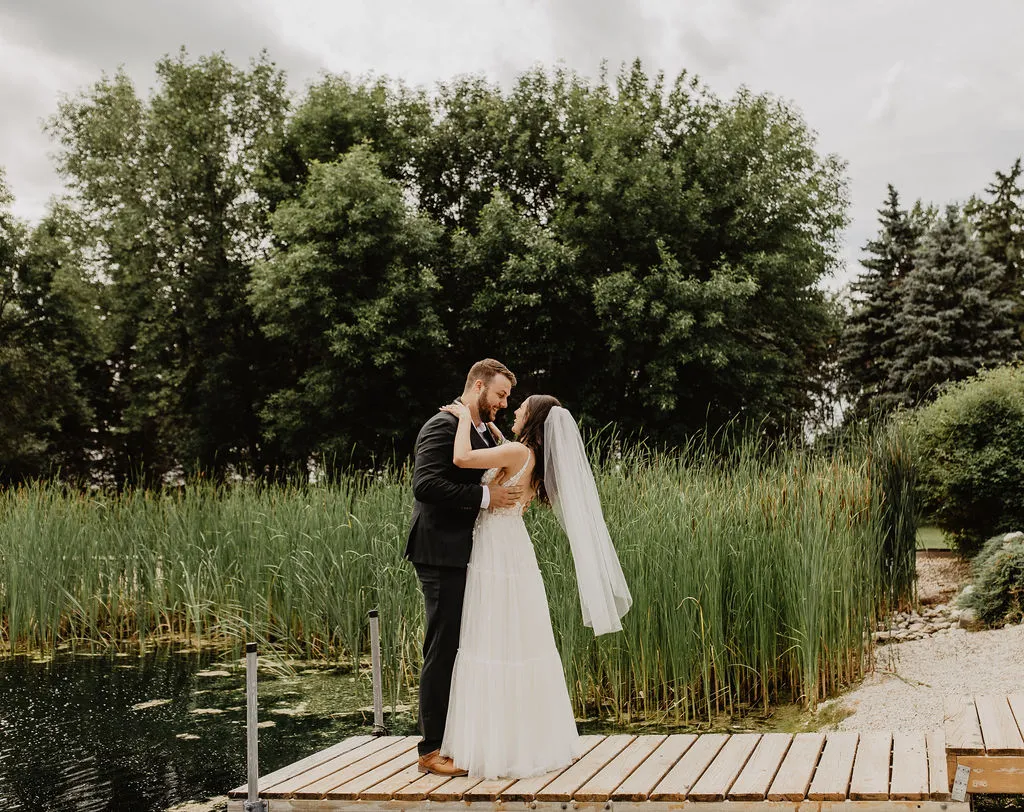
Courtesy of A Boho Chic Field Wedding Straight Out of a Dream
The Heart of the Matter
At its core, the plus one dilemma is about inclusion. Weddings are deeply personal events, and couples naturally want to be surrounded by people who matter most to them. At the same time, guests are individuals with their own relationships, comfort levels, and expectations.
Denying a plus one can unintentionally place someone in an awkward position, especially if they don’t know many other attendees. On the flip side, extending plus-ones to everyone can dramatically increase costs and dilute the intimacy of the event.
So where’s the line?
Consistency vs. Compassion
One common approach is to apply a consistent rule: for example, only married, engaged, or long-term couples receive plus ones. On paper, this feels fair. In practice, it can feel rigid.
Consider the friend who recently started a meaningful relationship, or the cousin travelling across the country alone. Strict rules don’t always account for nuance. Ethical decision-making often requires a balance between consistency and compassion, recognizing that fairness doesn’t always mean sameness.
The Budget Reality
It’s impossible to ignore the financial aspect. Every additional guest means another meal, another chair, another favour. For many couples, offering unrestricted plus ones simply isn’t feasible.
Being ethical doesn’t mean overextending yourself. It means making thoughtful choices within your means and being honest about those limitations. Most guests, when they understand the constraints, are more empathetic than we expect.
The Guest Experience
From a guest’s perspective, attending a wedding alone can feel intimidating. This is especially true if they’re entering a room full of unfamiliar faces. Offering a plus-one in these situations isn’t just polite, it’s considerate.
However, not every guest feels this way. Some are perfectly happy to attend solo, reconnect with old friends, or immerse themselves in the celebration. Ethics, in this sense, also involves knowing your guests well enough to anticipate their needs.
Communication is Key
Perhaps the most overlooked ethical principle is transparency. While you don’t owe every guest a detailed explanation, clarity in invitations can prevent misunderstandings.
Ambiguity can lead to awkward assumptions. Clear wording, even if it means saying “we are only able to accommodate those named on the invitation,” helps set expectations respectfully.
A Reflection of Values
Ultimately, how you handle plus ones reflects your values as a couple. Do you prioritize intimacy over expansiveness? Structure over flexibility? Tradition over personalization?
There’s no universally “correct” answer, only the one that aligns with your priorities while treating your guests with thoughtfulness and respect.
Final Thoughts
The ethics of plus ones isn’t about rigid rules or perfect fairness. It’s about intention. When decisions are made with care, empathy, and honesty, they tend to resonate, even if not everyone gets exactly what they want.
Weddings are, after all, about connection. And sometimes, the most ethical choice is simply the one that honours that spirit best.