
Weddings are magical, emotional, and unforgettable, but they’re also surprisingly wasteful. From disposable décor to excess food and single-use items, a single wedding day can create an enormous amount of trash. For couples who care about the planet, that reality can feel at odds with the joy of the celebration.
A zero-waste or low-waste wedding offers a different approach. It’s not about perfection or deprivation; it’s about making intentional choices that reduce waste while still creating a beautiful, meaningful experience. With thoughtful planning, you can celebrate your love without leaving behind a mountain of trash.


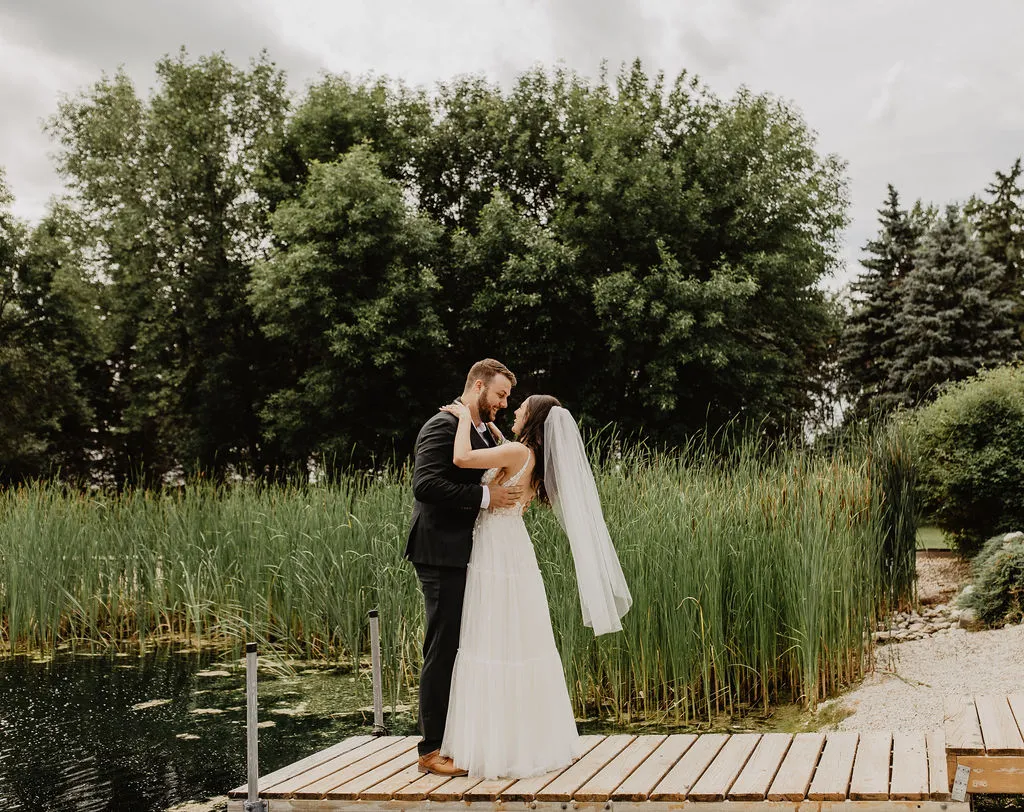
Courtesy of A Guide to Crafting an Earthy and Minimalistic Modern Wedding
What Does “Zero-Waste” Really Mean?
A zero-waste wedding focuses on minimizing what ends up in landfills by reducing unnecessary purchases, choosing reusable items, and composting or recycling what can’t be avoided. In reality, very few events are truly zero-waste—and that’s okay. The goal is progress, not perfection. Even a handful of mindful decisions can significantly lower your wedding’s environmental impact.
Start With the Guest List and Venue
One of the most impactful sustainability decisions happens early in the planning process. A smaller, more intentional guest list naturally leads to less food waste, fewer rentals, and lower transportation emissions. Rather than focusing on numbers, consider the kind of experience you want to create and the people who matter most to you.
Your venue choice also plays a major role. Venues that prioritize sustainability, composting, recycling, or energy efficiency make eco-friendly planning much easier. Outdoor spaces often need less décor, and naturally beautiful settings reduce the temptation to over-style. Choosing a location close to where most guests live can also cut down on travel-related emissions.
Eco-Friendly Invitations and Stationery
Paper goods are one of the first places couples can reduce waste. Digital invitations and wedding websites eliminate paper entirely while still feeling polished and personal. For couples who love the tradition of printed stationery, choosing recycled or seed paper and limiting extra inserts can make a big difference.
On the wedding day, signage and programs don’t need to be disposable. Reusable boards, mirrors, or framed signs can replace stacks of single-use paper. Sharing one large program or using QR codes for schedules and menus keeps guests informed without creating unnecessary waste.
Thoughtful, Low-Waste Attire
Wedding attire doesn’t have to be worn just once. More couples are choosing dresses and suits they can alter, rewear, or repurpose after the big day. Buying secondhand, vintage, or renting formalwear are also excellent ways to reduce waste while often saving money.
The same philosophy applies to wedding party outfits. Allowing your wedding party to choose pieces they already own or will wear again creates a more relaxed, authentic look, and avoids the environmental cost of one-time outfits.
Sustainable Flower and Decor
Florals and décor can be beautiful without being disposable. Locally grown, seasonal flowers reduce transportation emissions and support local farmers, while dried or preserved arrangements can last long after the wedding day. Potted plants and herbs offer a living alternative that guests can enjoy at home.
When it comes to décor, items that can be reused, rented, borrowed, or resold are always the most sustainable choice. Candles, fabric table runners, and thrifted accents create warmth and personality without contributing to landfill waste. A good rule of thumb is to choose décor you’d actually want in your home afterward.
Zero-Waste Food and Drink Choices
Food is one of the biggest sources of wedding waste, but it’s also one of the easiest areas to improve with the right partners. Working with a caterer who prioritizes local ingredients, avoids single-use plastics, and supports composting can dramatically reduce your event’s footprint.
Thoughtful meal planning helps prevent excess food from going uneaten. Plated meals or well-planned family-style service often result in less waste than overstocked buffets. For desserts, alternatives to traditional tiered cakes, such as a small cutting cake paired with kitchen-served desserts, can reduce leftovers without sacrificing celebration.
Skip the Favours (Seriously)
Wedding favours are often forgotten, left behind, or thrown away. Many guests don’t expect them, and most would happily trade a trinket for a more sustainable celebration. Choosing to skip favours altogether is one of the simplest zero-waste decisions you can make.
For couples who still want to offer something, favours with purpose are key. Edible treats, practical items, or a charitable donation made in your guests’ honour all feel more meaningful than objects that won’t be used.
Plan for Waste Stations
Even the most sustainable wedding will produce some waste, so planning for proper disposal matters. Clearly labeled compost, recycling, and landfill stations make it easier for guests to sort their waste correctly. Simple signage and thoughtful placement can prevent recyclable or compostable items from ending up in the trash.
Having someone keep an eye on these stations throughout the event can make a noticeable difference in how much waste is diverted from landfills.
Ethical Entertainment and Exit Ideas
Entertainment choices can also support your sustainability goals. Hiring local musicians or vendors reduces travel emissions while supporting your community. When it comes to exits and photo moments, skipping balloons, confetti, or sparklers helps protect wildlife and reduce cleanup waste.
Simple alternatives—like bubbles, dried flower petals, or even just a joyful crowd cheering you on, can be just as memorable without the environmental cost.
Embrace Progress Over Perfection
A zero-waste wedding isn’t about doing everything flawlessly. It’s about aligning your celebration with your values and making choices that feel right for you. Guests will remember the love, the laughter, and the moments you shared, not whether every detail was perfectly sustainable.
When your wedding reflects care for each other and the planet, you’re celebrating something even bigger than the day itself. And that’s a beautiful way to begin a life together.