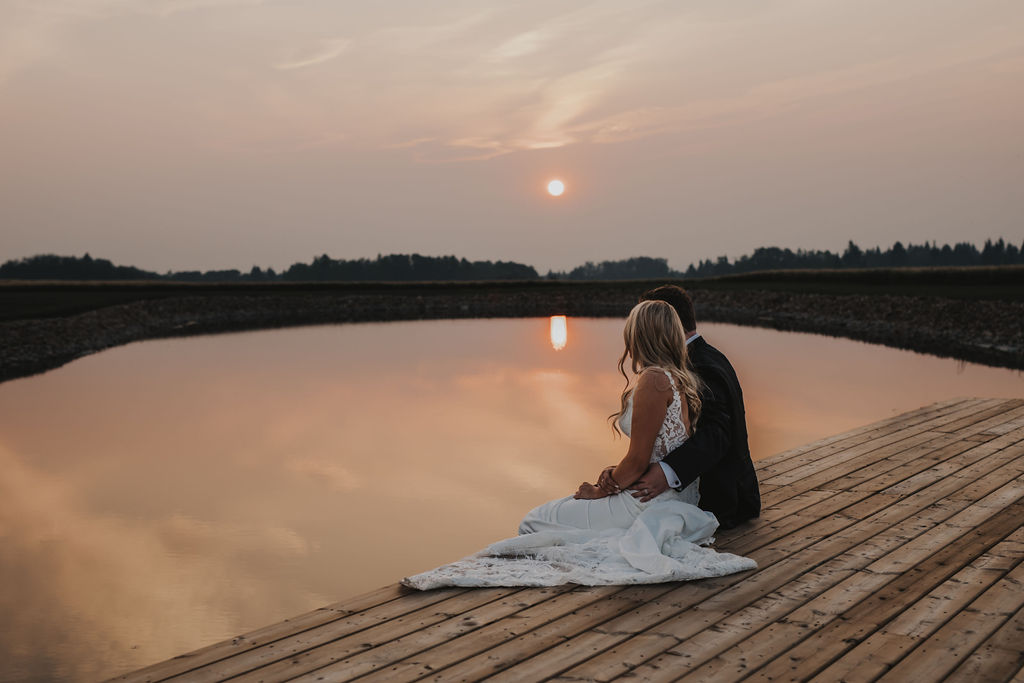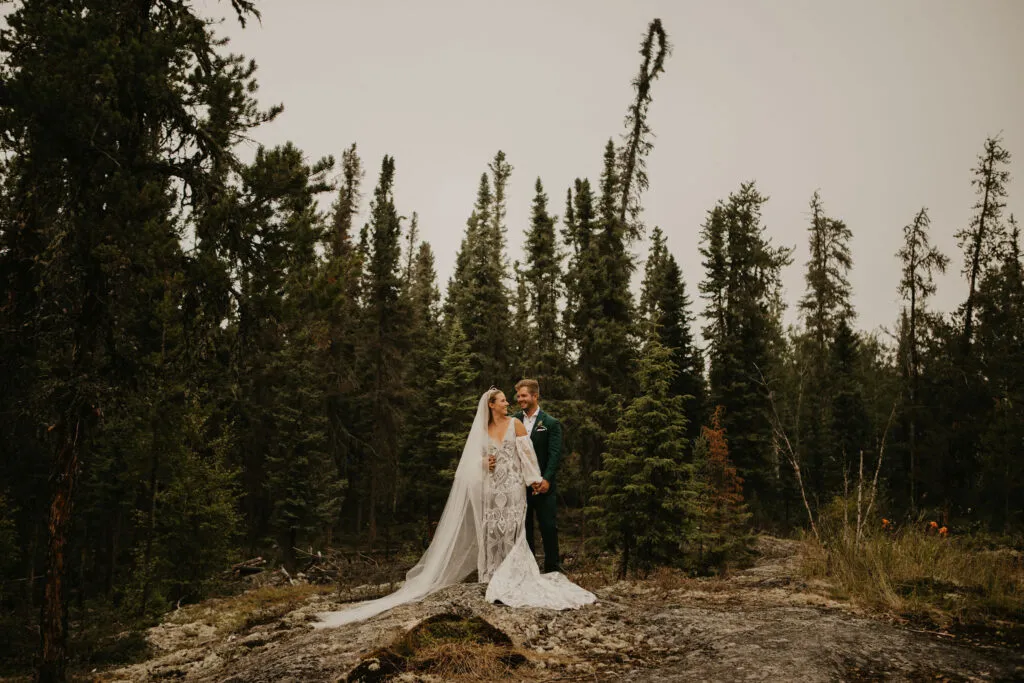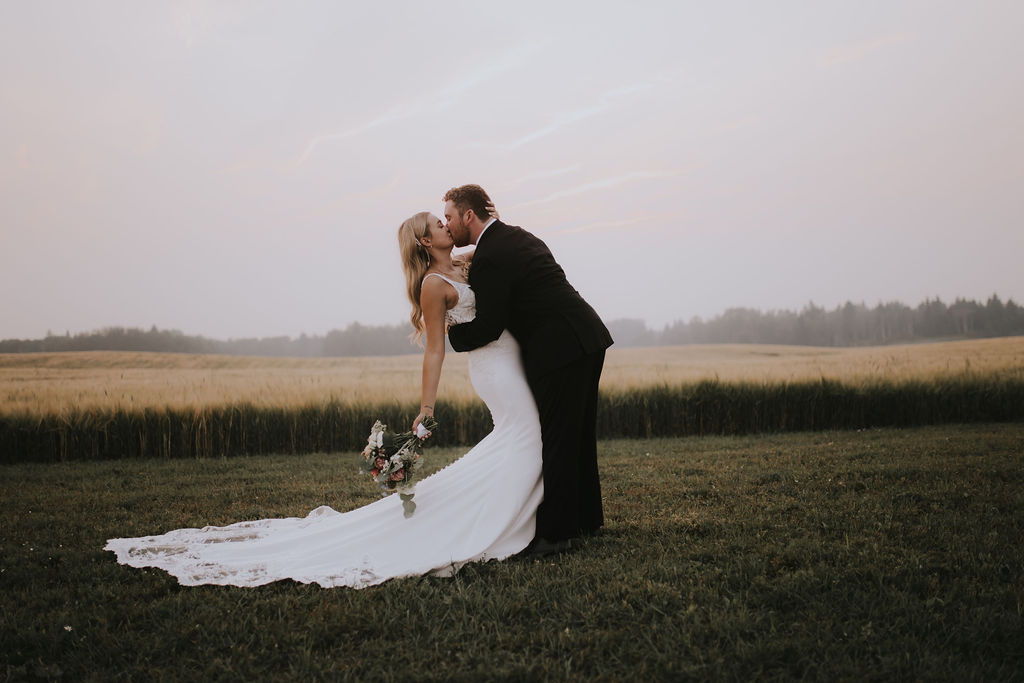

There’s something undeniably magical about a fall wedding. The crisp air, golden leaves, cozy textures, and warm autumn colours create a romantic atmosphere that feels straight out of a dream. Outdoor ceremonies in the fall offer a naturally beautiful backdrop, whether you’re exchanging vows beneath a canopy of changing leaves, surrounded by mountain views, or in a garden glowing with seasonal colour.
But fall weddings come with one important consideration: the sun sets earlier, and your ceremony timeline needs to work with the light, not against it.
With a little thoughtful planning, an early sunset can become one of the most beautiful parts of your wedding day. From timing your vows to creating a cozy atmosphere after dark, here’s your ultimate guide to planning an unforgettable outdoor fall ceremony.


Courtesy of A Magical Fall Backyard Wedding
Plan Your Ceremony Around Golden Hour
If you love those soft, golden, romantic wedding photos, the timing of your ceremony matters more than ever in the fall.
As the days get shorter, golden hour arrives earlier, giving you a beautiful window of warm, flattering light. The key is to work backward from sunset when building your timeline.
Start by checking the sunset time for your wedding date and location. Then consider how much natural light you’ll need for your ceremony, portraits, and guest experience.
As a general guideline, aim to begin your ceremony about 60–90 minutes before sunset, adjusting for the length of your ceremony and the amount of photography you want afterward.
For example, if the sun sets at 6:00 p.m., a ceremony around 4:30 p.m. may offer a lovely balance of daylight and golden-hour light. Your photographer can help determine the ideal timing based on your venue, ceremony location, and portrait plans.
Pro tip: Don’t forget about the landscape around your venue. Mountains, trees, and buildings can block direct sunlight well before the official sunset time. Ask your photographer to visit the ceremony site at a similar time of day, if possible, to see how the light behaves.
Build a Timeline That Leaves Room to Breathe
One of the biggest mistakes couples can make with an outdoor fall ceremony is underestimating how quickly daylight disappears.
When the sun sets early, every part of your timeline becomes more important. That doesn’t mean your day needs to feel rushed. In fact, a well-planned schedule can help everything feel more relaxed.
Here’s an example of how a fall wedding day could flow when sunset is at 6:00 p.m.
- 3:30 p.m. — Guest arrival: Welcome guests while there’s still plenty of natural light.
- 4:00 p.m. — Ceremony begins: Exchange vows in the soft afternoon light.
- 4:30 p.m. — Ceremony ends: Enjoy congratulations and a few candid moments with loved ones.
- 4:45 p.m. — Couple portraits: Take advantage of the remaining golden-hour light.
- 5:15 p.m. — Wedding party and family photos: Complete any remaining formal portraits.
- 5:45 p.m. — Cocktail hour: Transition into a warm, candlelit atmosphere.
- 6:30 p.m. — Reception begins: Celebrate indoors or beneath a beautifully illuminated tent.
This is only a starting point. Your ceremony length, travel between locations, family photo list, and venue layout will all affect your schedule.
If portraits are especially important to you, consider completing a first look and some wedding party photos earlier in the afternoon. This gives you more flexibility later and lets you spend less time away from your guests.
Talk to Your Photographer Before Finalizing the Schedule
Your photographer should be one of your first calls when planning an outdoor fall ceremony.
Beautiful fall light can be fleeting, and your photographer will understand how to make the most of it. They can recommend the best ceremony time, identify portrait locations, and help you decide which photos should happen before the ceremony and which can wait until afterward.
Ask about:
- The best time for your ceremony based on the specific sunset and location.
- Whether a first look would help you maximize daylight.
- Which family and wedding party portraits should happen earlier.
- Backup locations if the weather changes.
- How the venue will look once the sun has gone down.
It’s also worth discussing what happens if the ceremony runs late. A professional photographer can adapt to changing light, but having a realistic timeline helps ensure you’re not sacrificing meaningful moments because the sun disappeared sooner than expected.
Remember, you don’t need every photo to happen in perfect sunlight. Some of the most emotional wedding images happen in the soft blue tones just after sunset, when the sky darkens and the atmosphere becomes more intimate.
Create a Ceremony Space That Looks Beautiful in Any Light
Fall’s natural beauty does much of the decorating for you, but your ceremony space should still feel intentional as the light changes.
Choose design elements that complement the season and photograph beautifully in both daylight and low light.
Think warm neutrals, deep burgundy, rust, forest green, muted gold, and soft cream. Natural wood, textured linens, seasonal foliage, and understated floral arrangements can add depth without competing with the surrounding landscape.
For your ceremony backdrop, consider:
- An asymmetrical floral installation with autumn-toned blooms.
- A simple wooden arch accented with seasonal foliage.
- Grounded floral arrangements that frame the aisle.
- Neutral fabric draping that catches the late-afternoon light.
- Lanterns or other venue-approved lighting along the ceremony entrance.
Keep in mind that colours can look different as the light fades. Pale florals and light-colored fabrics may become less distinct at dusk, while richer tones can create beautiful depth.
The goal is to design a ceremony space that feels just as intentional in the last light of the afternoon as it does in your detail photos earlier in the day.
Don’t Forget About Lighting After Sunset
Once the sun disappears, lighting becomes more than a decorative detail. It becomes essential to the guest experience.
A ceremony that begins in daylight may end at dusk, especially in late fall. Thoughtful lighting helps guests navigate the space safely while keeping the atmosphere romantic.
Consider incorporating:
- Lanterns: Perfect for lining walkways or adding warmth near the ceremony entrance.
- String lights: Ideal for creating a soft glow around outdoor reception areas.
- Candles: Beautiful for a romantic atmosphere, provided your venue permits open flames.
- Uplighting: A lovely way to highlight trees, architectural features, or a ceremony backdrop.
- Pathway lighting: Important for helping guests move comfortably between the ceremony, cocktail hour, and reception.
For outdoor venues, confirm what’s permitted before purchasing or renting lighting. Wind, uneven ground, electrical access, and fire restrictions can all influence your choices.
Also, consider how your lighting will look in photographs. Bright overhead lights can feel harsh, while warm, diffused lighting tends to create a softer and more inviting atmosphere.
Have a Plan for Cooler Temperatures
Fall weather can be unpredictable, especially when the sun goes down. A comfortable ceremony allows your guests to focus on the moment instead of wondering how long they have to stand in the cold.
Think about your guest list, venue location, and typical temperatures for your wedding date. A sunny afternoon can still turn chilly surprisingly quickly once evening arrives.
A few thoughtful touches can make a big difference:
- Provide blankets in baskets near the ceremony seating.
- Offer warm drinks such as apple cider, tea, or hot chocolate.
- Choose an outdoor ceremony space with some protection from the wind.
- Arrange patio heaters where permitted and safe.
- Keep an indoor or covered backup space ready in case of rain, snow, or dropping temperatures.
If you’re planning a late-fall wedding, don’t assume the weather will cooperate just because your ceremony is outdoors. A practical backup plan gives you peace of mind and allows you to enjoy the day regardless of the forecast.
And if you’re providing blankets or shawls, consider making them part of your décor. Neutral knits, soft plaids, and warm autumn tones can feel thoughtful and cohesive rather than purely practical.
Consider a First Look to Maximize Daylight
For couples who want plenty of portraits without missing cocktail hour, a first look can be especially helpful for a fall wedding.
A first look allows you to see each other privately before the ceremony and gives your photographer an opportunity to capture portraits while natural light is still available.
Depending on your schedule, you may be able to complete most of your couple portraits and wedding party photos before guests arrive. After the ceremony, you’ll only need a few additional portraits in the remaining light, if desired.
A first look isn’t essential, though. If you’d prefer to see each other for the first time at the ceremony, you can still make an early sunset work by keeping your portrait list focused and planning ahead.
Another option is to schedule a short portrait session on a separate day. This can be ideal if your wedding timeline is tight or you want to explore several locations without feeling rushed.
The best choice is the one that reflects your priorities as a couple, not simply the one that fits the most photos into your day.
Embrace Blue Hour and the Magic of Dusk
Golden hour may get most of the attention, but the moments immediately after sunset can be just as beautiful.
Blue hour is the period around twilight when the sky takes on soft blue and violet tones. It creates a completely different mood from the warmth of golden hour and can be especially striking against candlelight, architectural details, or a dramatic outdoor landscape.
Ask your photographer whether there’s an opportunity to step away for a few minutes after sunset.
You might capture portraits beneath a deepening sky, beside a softly illuminated building, or surrounded by the glow of your reception lighting.
These images often feel intimate and cinematic, adding variety to a gallery filled with the warm colors of fall.
Just remember that twilight is brief, and the timing varies by location and date. If blue-hour portraits are important to you, plan for them in advance rather than hoping to fit them in spontaneously.
Make the Transition From Twilight to Evening Feel Intentional
One of the loveliest things about an early fall sunset is the opportunity to create two distinct atmospheres on the same day.
Your ceremony can feel fresh, natural, and airy in the afternoon, while your reception becomes warm, cozy, and romantic after dark.
Instead of treating the loss of daylight as a challenge, use it as a design opportunity.
Imagine guests arriving beneath golden trees, watching you exchange vows in the last warm light of the afternoon, and then moving into a reception illuminated by candles and twinkling string lights.
You can make that transition feel seamless with a few details:
- Use a consistent color palette throughout the ceremony and reception.
- Introduce warm lighting as the natural light fades.
- Offer seasonal cocktails or warm beverages during cocktail hour.
- Incorporate autumn-inspired menus with comforting, seasonal ingredients.
- Add cozy lounge areas with textured pillows, blankets, and warm-toned accents.
You don’t need to overdo the seasonal details. A few carefully chosen elements can create an atmosphere that feels elevated, personal, and welcoming.
Have a Weather Backup Plan You Actually Love
Every outdoor wedding needs a backup plan, but fall weddings deserve a little extra attention.
Rain, wind, sudden temperature drops, and even early snowfall can affect an outdoor ceremony. If you’re getting married in a region with unpredictable autumn weather, it’s worth considering your alternatives well in advance.
Ask your venue about an indoor ceremony space, a covered pavilion, or a tent option that can accommodate your guests comfortably.
If you’re considering a tent, confirm whether it has adequate lighting, flooring, heating, and protection from the elements. A beautiful tent isn’t necessarily a comfortable one without the right setup.
It’s also important to establish a decision deadline with your planner or venue. Knowing when you’ll make the final call can prevent unnecessary stress in the days leading up to the wedding.
Most importantly, choose a backup option that still feels like your wedding. If you love natural textures, seasonal flowers, and warm lighting, those elements can be carried indoors so your original vision remains intact.
A thoughtful backup plan doesn’t take away from the magic of an outdoor wedding. It protects it.
Final Thoughts
An outdoor fall ceremony with an early sunset doesn’t have to mean compromising on your vision. In fact, it can create an incredibly romantic experience, with beautiful afternoon light, rich autumn colors, cozy evening details, and portraits that feel straight out of a dream.
The secret is thoughtful timing, practical preparation, and a willingness to embrace the season as it unfolds.
Plan around the light, keep your guests comfortable, work closely with your photographer, and give yourself permission to enjoy the day rather than watching the clock.
Because when the sun dips below the horizon and the candles begin to glow, you’ll discover that some of the most beautiful wedding moments happen just as daylight fades.
A little less daylight can mean a little more magic.