
If you’re planning a wedding while juggling full-time jobs, travel, family, or just life, you’re not alone. Modern couples are busier than ever—and traditional wedding planning timelines can feel overwhelming. The good news? You don’t need to spend endless nights buried in spreadsheets to plan a meaningful, beautifully executed wedding.
Introducing The One-Hour-a-Week Method: a streamlined approach designed for couples who want to stay organized, reduce stress, and still enjoy the planning process… in just 60 minutes a week.


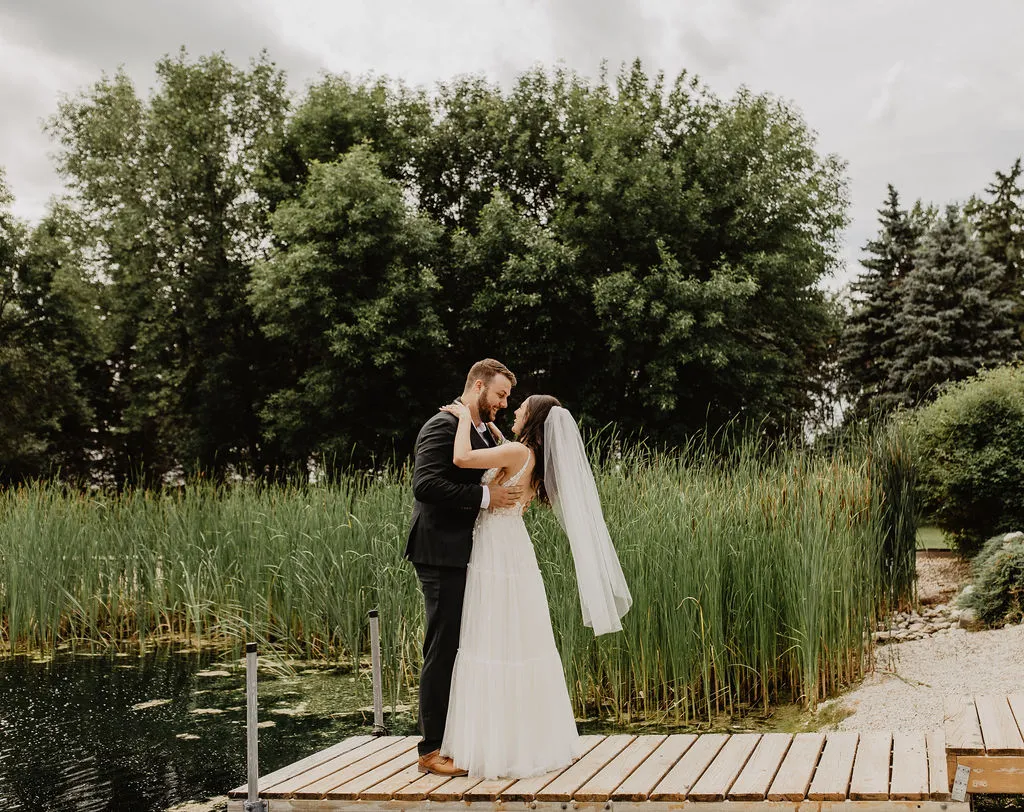
Courtesy of Urban Edmonton Wedding
Why the 1 Hour Method Works
Most couples enter planning in “all or nothing” mode. They’re either fully immersed or completely avoiding it. But the One-Hour Method breaks planning into realistic, bite-size sessions. It works because:
- Focus increases when time is limited. You make decisions faster when you know the clock is ticking.
- Consistency beats intensity. One focused hour a week adds up to 52 productive hours.
- Burnout disappears. You’re far less likely to get overwhelmed when planning doesn’t take over your life.
- Structure keeps the stress down. Instead of “we should be planning,” you know exactly when and how long you’ll work.
How the 1 Hour a Week Planning Session Works
Pick one hour each week. Maybe Sunday morning with coffee, or Wednesday night after dinner. Make it your non-negotiable planning time.
Your hour includes three parts:
1. The First 10 Minutes: Quick Check-In
Use this time to:
- Review what you accomplished last week
- Discuss any decisions that still need clarity
- Set today’s mini-goal (only one!)
This keeps both partners aligned and prevents miscommunication.
2. The Next 40 Minutes: Deep Focus
This is where the real work happens. Choose one task per session—not five. For example:
- Research three photographers
- Finalize your guest list
- Compare two venues
- Draft your budget
- Choose ceremony music
- Pick your invitation style
Limiting yourself to one focus area reduces overwhelm and helps you actually finish something.
3. The Final 10 Minutes: Wrap-Up
Before the hour is over:
- Save links, notes, and vendor info
- Add any deadlines to your shared calendar
- Decide next week’s task
Then close the laptop, pour a drink, and go live your life.
A Suggested Month-by-Month Roadmap
You can adapt this to your timeline, but here’s an example of how quickly things add up:
Months 1–2: Foundation
- Define your budget
- Create your guest list
- Choose your top 3 venue options
- Compare potential dates
Months 3–4: Lock in Your Team
- Book your venue
- Book photographer + videographer
- Book planner (if using one)
- Select catering options
Months 5–6: Design & Details
- Build your mood board
- Choose florals, décor style, rentals
- Start attire shopping
- Select stationery
Months 7–9: Experience & Logistics
- Select music + entertainment
- Finalize ceremony details
- Create your wedding website
- Plan guest accommodations
Months 10–12: Final Touches
- Send invitations
- Finalize timeline
- Confirm with vendors
- Prep your day-of items and speeches
One hour a week. Serious progress.
Tips to Make the Method Even Easier
Use shared digital tools. A Google Doc or Notion dashboard keeps you connected.
Batch decisions. For example, look at three cake options—not thirty.
Outsource where possible. A part-time planner or content creator can save hours.
Set a 5-minute decision rule. If you’ve narrowed it down and neither option is a dealbreaker, choose quickly.
Protect the hour. Treat it like a meeting with each other—not optional.
The Real Secret: It Keeps You Connected
The One-Hour Method isn’t just about staying organized—it helps couples stay on the same page emotionally. Instead of letting planning spill into every conversation, you contain it to one predictable window. The rest of your week can be about being partners, not project managers.
Your wedding should be a joyful journey, not a second job. With just one hour a week, you can plan with intention, clarity, and peace of mind.