
You’ve picked your date, booked your venue, and now it’s time to let everyone know: you’re getting married! But before you rush into choosing fonts and licking envelopes, there are a few key etiquette rules that will make the invitation process a whole lot smoother. Whether you’re hosting a formal black-tie affair or a relaxed backyard celebration, this guide will walk you through all the must-knows of wedding invitation etiquette.
When to Send Wedding Invitations
Timing is everything. The sweet spot for mailing your wedding invitations is usually six to eight weeks before the big day. That gives guests enough time to make travel plans, find accommodations, and RSVP—without forgetting they were invited in the first place.
If you’re planning a destination wedding, give your guests a little more notice—aim for around three months ahead, or even earlier if possible. And don’t forget about save-the-dates! These are typically sent six to twelve months before your wedding, especially if you’re getting married during a busy time of year or expecting out-of-town guests.


What Should the Invitation Include
At the very least, your invitation should clearly list your names, the date and time of the ceremony, and the location. If your reception is in a separate location, that should be included too—either on the main invite or a separate insert. Make sure to give guests a clear RSVP deadline and a way to respond, whether that’s a return card, an email address, or a wedding website with a form.
Optional extras might include directions or parking info, accommodations, a reception card, or a weekend itinerary if you’re planning multiple events. And if you have a wedding website, it’s the perfect place to include your registry, travel info, and FAQs—so your actual invitation can stay clean and elegant.
How Should You Word the Invitation
The tone of your wording should reflect the tone of your wedding. For a more traditional or formal celebration, you might say something like:
“Together with their families, Emma Grace Thompson and Daniel Michael Chen request the honour of your presence at their wedding…”
If your wedding is more laid-back, feel free to keep the language casual:
“Please join us to celebrate the wedding of Emma & Daniel…”
If parents are hosting (or helping host) the event, you’ll want to acknowledge them as well. For example:
“Mr. and Mrs. James Thompson invite you to celebrate the marriage of their daughter, Emma Grace, to Daniel Michael Chen…”
There are many ways to personalize your wording depending on your family dynamics, preferences, and whether the event is religious, civil, or somewhere in between.

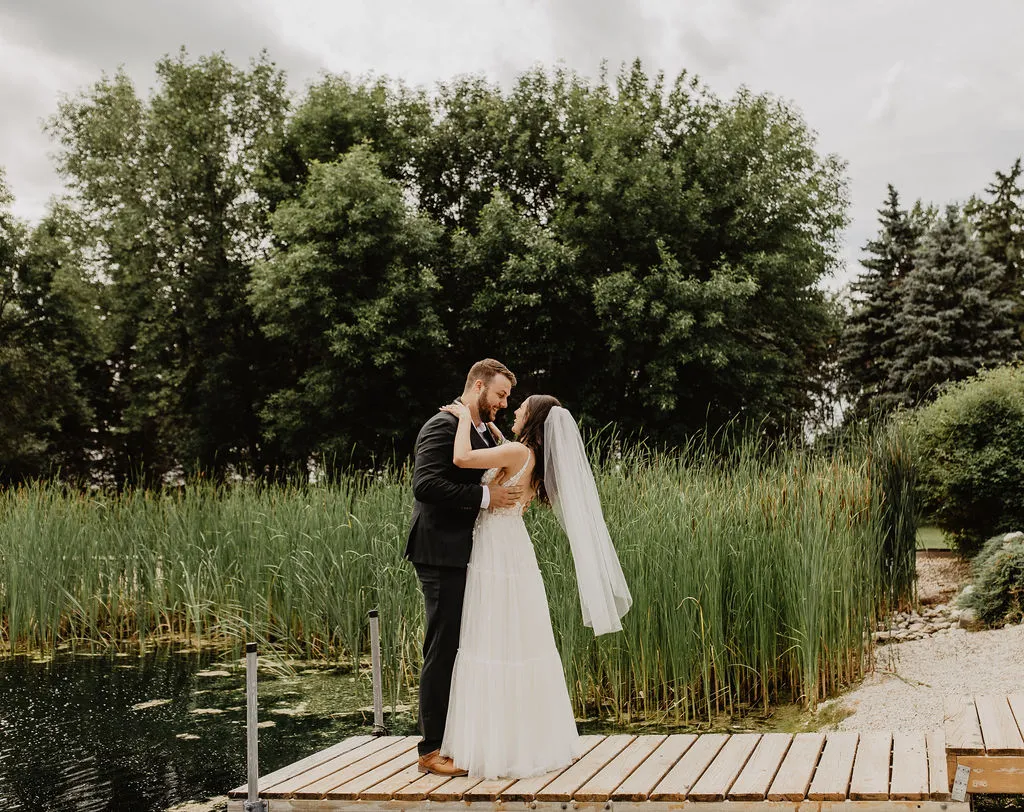
Courtesy of Serpentine Garden Wedding
Addressing Envelopes: Yes, There’s a Right Way
Your outer envelope should include full names and formal titles—think “Mr. and Mrs. James Taylor” or “Ms. Anna Lee and Mr. Mark Davis.” If you’re inviting a family with children, address the envelope to the parents on the outside and list the children on an inner envelope, or clearly include them on the RSVP card.
This is also where you make it clear who is invited. For example, if you’re not offering a plus-one, only list the invited guest’s name. If children aren’t invited, addressing the envelope to just the adults helps signal that.
RSVP Etiquette: Making it Easy for Everyone
Set your RSVP deadline at least three to four weeks before the wedding. This gives you time to finalize your guest count, share numbers with your caterer, and create your seating chart without last-minute stress.
Include an RSVP card with a stamped return envelope, or provide a digital RSVP option through your wedding website. Make it as easy as possible for guests to respond. If you’re offering a plated meal, this is also the time to collect menu choices or note any dietary restrictions.
And yes, it’s completely normal to have to follow up with a few people after the deadline passes. It’s part of the process!
Who Should Receive an Invitation
Only send invitations to people who are definitely on your final guest list. This might seem obvious, but it’s easy to get carried away with save-the-dates early in the planning process. If you send a save-the-date, you’re essentially promising an invitation—so plan accordingly.
Be clear about plus-ones and children. If you’re not inviting kids, a gentle note on your website or RSVP card can help set expectations. Something like, “We love your little ones, but this will be an adults-only celebration” is perfectly acceptable.


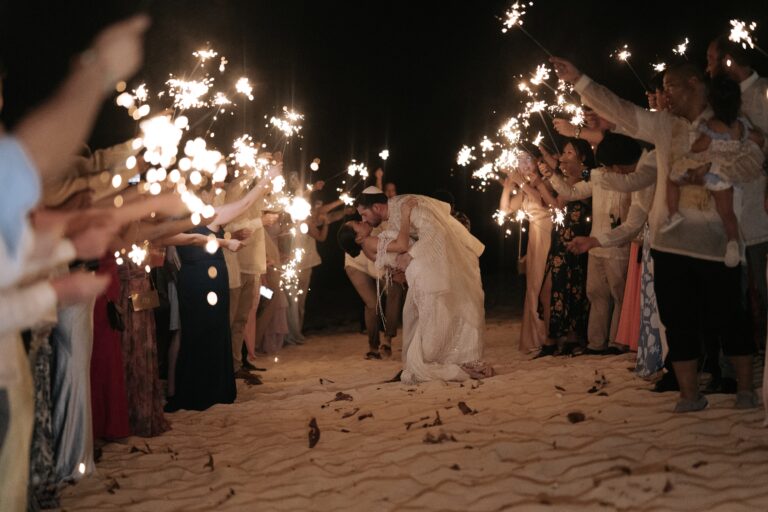
Courtesy of A Modern 80s Twist: Memphis Style Meets Marie Antoinette
Common Mistakes to Avoid
There are a few etiquette faux pas that can easily be avoided with a little planning. For starters, avoid including registry information on your formal invitation—it’s better suited for your website. Also, steer clear of abbreviations for names, addresses, or titles in formal invites. It’s worth taking the time to spell everything out properly.
Double- and triple-check the spelling of names, venues, and times before anything goes to print. And while it might be tempting to use printed labels for convenience, handwritten envelopes (or at least calligraphy-style printing) feel far more personal and elegant.
Final Thoughts
Your wedding invitation sets the tone for your entire celebration—it’s the first impression your guests will have, and a special keepsake you’ll cherish long after the day is over. By following a few simple etiquette guidelines, you can make sure your invitations are thoughtful, clear, and true to your style.
No matter your theme or guest count, good etiquette never goes out of style.