
Your wedding website is more than just a pretty online invitation. It’s your guests’ go-to resource for everything they need to know about your big day — from when and where the wedding is happening to what they should wear, where they can stay, and how to RSVP.
Creating a wedding website can also save you from answering the same questions over and over again. Instead of sending directions, hotel information, or registry links individually, you can put everything in one convenient place.
Not sure what to include? Here’s a complete guide to the essential information your wedding website should have.


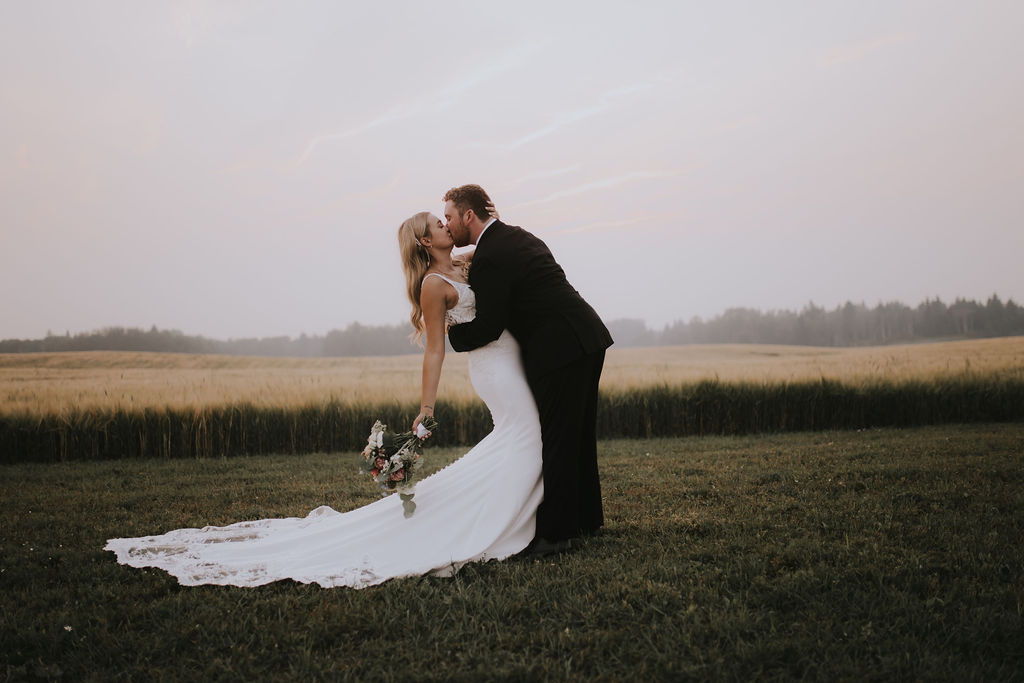
Courtesy of From Sunrise to Celebration
Your Love Story
Start with something personal.
Your wedding website is a wonderful opportunity to share the story behind your celebration. Tell your guests how you met, when you knew you were meant to be, or a few memorable moments from your relationship.
You don’t need to write a novel. A short, genuine story is often more meaningful than a lengthy timeline.
You can also include a few favorite photos from your relationship to make this section feel even more personal.
Wedding Date and Location
This is some of the most important information on your website, so make it easy to find.
Include:
- Your wedding date
- Ceremony location
- Reception location, if different
- Full venue addresses
- Ceremony and reception start times
- Any important timing information
If your ceremony and reception are at different venues, clearly explain how guests can travel between the two.
Adding a map or directions can also be incredibly helpful, especially for guests traveling from out of town.
RSVP Information
Make your RSVP instructions simple and clear.
Let guests know:
- When the RSVP deadline is
- How they should RSVP
- How to indicate meal preferences
- What to do if they have special dietary requirements
If you’re using an online RSVP system, include a prominent button or link so guests don’t have to search for it.
Your Wedding Schedule
Give your guests an idea of what to expect on the day.
A basic timeline might include:
4:00 PM — Ceremony
5:00 PM — Cocktail Hour
6:00 PM — Dinner & Reception
8:00 PM — Dancing
11:00 PM — Reception Ends
You can include as much or as little detail as you like. If there are transportation arrangements, photos, a cocktail hour, or other activities guests need to know about, add those as well.
For a destination wedding or multi-day celebration, consider creating a separate schedule for each event.
Dress Code
Don’t leave your guests guessing about what to wear. Clearly state your dress code, such as:
- Black tie
- Formal
- Cocktail
- Semi-formal
- Garden party
- Casual
- Beach formal
You can also add a short explanation if the dress code might be unfamiliar or if there are practical considerations. For example, an outdoor wedding may require guests to choose comfortable shoes, while a beach celebration might call for lighter fabrics.
Accommodation and Hotel Information
If you have guests traveling for your wedding, accommodation information is essential.
Include recommended hotels, addresses, booking links, and any room blocks you’ve arranged.
If possible, mention:
- Hotel name and location
- Room block details
- Booking deadline
- Group rate or discount code
- Distance from the wedding venue
- Transportation to and from the venue
Providing several price-point options can also help guests choose accommodation that fits their budget.
Transportation and Parking
Make getting to your wedding as stress-free as possible.
Let guests know whether transportation will be provided and where shuttles will pick up and drop off.
You should also include information about:
- Parking availability
- Parking fees
- Valet parking
- Rideshare pickup locations
- Shuttle schedules
- Public transportation options
If guests are unfamiliar with the area, a little extra information here can make a big difference.
Registry Information
Your wedding website is a natural place to share your registry.
If you’ve created registries with multiple retailers, consider putting them all on one page rather than listing individual items.
You may also choose to include a short note letting guests know that their presence is the most important gift of all.
If you’re asking for contributions toward a honeymoon, home, or another experience instead of traditional gifts, explain it clearly and graciously.
Wedding Party
Introduce the people who are standing beside you on your wedding day.
Consider including a photo and a short description of each member of your wedding party. You can share how you met, how long you’ve known each other, or a fun fact.
This section is especially helpful for guests who may not know everyone attending the celebration.
Frequently Asked Questions
A FAQ section can save you countless messages as the wedding approaches.
Consider answering questions such as:
Are children invited?
Clearly explain whether your wedding is child-friendly or adults-only. If only certain children are invited, guests should be able to determine that from their invitation.
Can I bring a plus-one?
Let guests know whether plus-ones are included and how they’ll know who is invited.
What time should I arrive?
Give guests a recommended arrival time so they don’t feel rushed before the ceremony.
Is the wedding indoors or outdoors?
Let guests know what to expect and whether they should prepare for changing weather.
Can I take photos during the ceremony?
If you’re having an unplugged ceremony or have specific photography preferences, communicate them in advance.
Who should I contact with questions?
If you have a wedding planner, coordinator, or designated point person, provide their contact information so guests don’t have to come directly to you for every logistical question.
Your FAQ can evolve throughout the planning process. If you notice several guests asking the same question, add the answer to your website.
Travel Information
For destination weddings, travel information becomes even more important.
Consider including details about the nearest airports, transportation options, rental cars, travel times, and anything guests should know before arriving.
For international weddings, you may also want to include information about passports, visas, currency, local customs, or other travel requirements.
The more prepared your guests feel, the less they’ll need to rely on you for last-minute travel questions.
Special Wedding Details
Every wedding is different, so use your website to explain anything guests may need to know about your particular celebration.
This might include cultural or religious traditions, special ceremony instructions, accessibility information, weather-related plans, or activities happening throughout the wedding weekend.
For example, if guests will be participating in a traditional ceremony ritual, a short explanation can help everyone understand and appreciate the experience.
Contact Information
Finally, make sure guests know who to contact if they can’t find an answer on your website.
If possible, avoid making yourselves the primary contact for every logistical question. A wedding planner, coordinator, or trusted member of your wedding party can often handle these questions for you.
This gives you one less thing to worry about as the big day approaches.
What Shouldn’t Go on Your Wedding Website?
While your wedding website is a great place to share information, you don’t need to include everything.
You also don’t need to share every detail of your planning process. Your guests don’t need to know the entire vendor list, your seating-chart struggles, or how many floral arrangements you’re ordering.
Keep the focus on information that helps guests prepare for and enjoy the celebration.
Keep Your Wedding Website Updated
Creating your website is only the first step. As your wedding plans change, make sure the information stays current.
If your ceremony time changes, update it. If your hotel block deadline is extended, make a note of it. If your shuttle schedule changes, make sure guests have the latest information.
Before the wedding, review every page and link from a guest’s perspective. Check that the most important information is easy to find and that everything works properly on a phone.
It’s also a good idea to ask someone you trust to look over the site. A fresh pair of eyes may spot a missing detail or confusing instruction that you’ve overlooked.