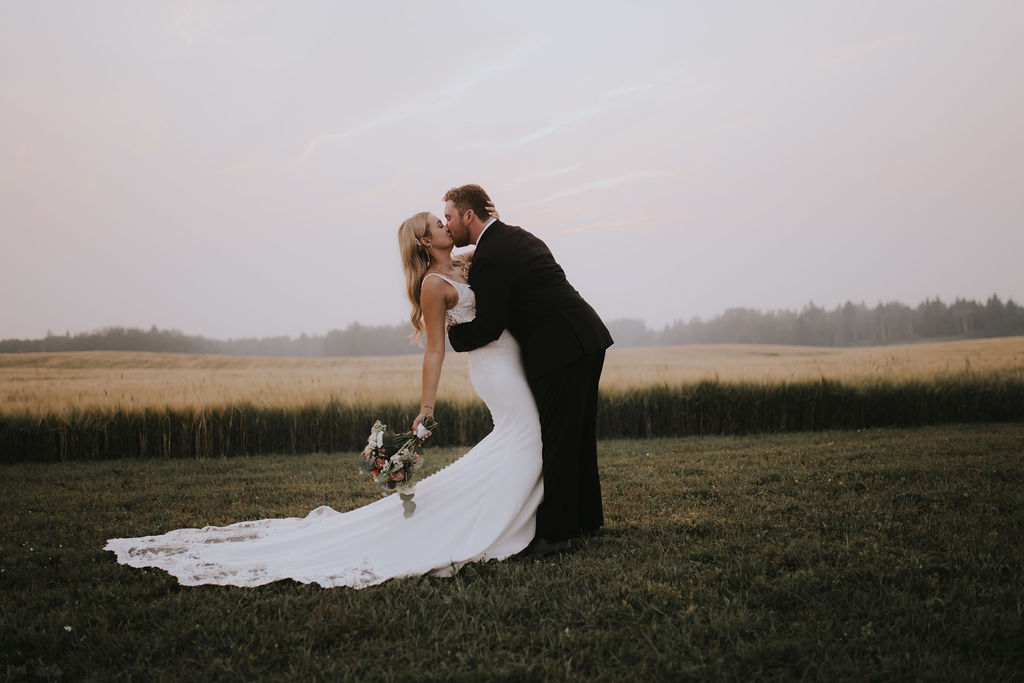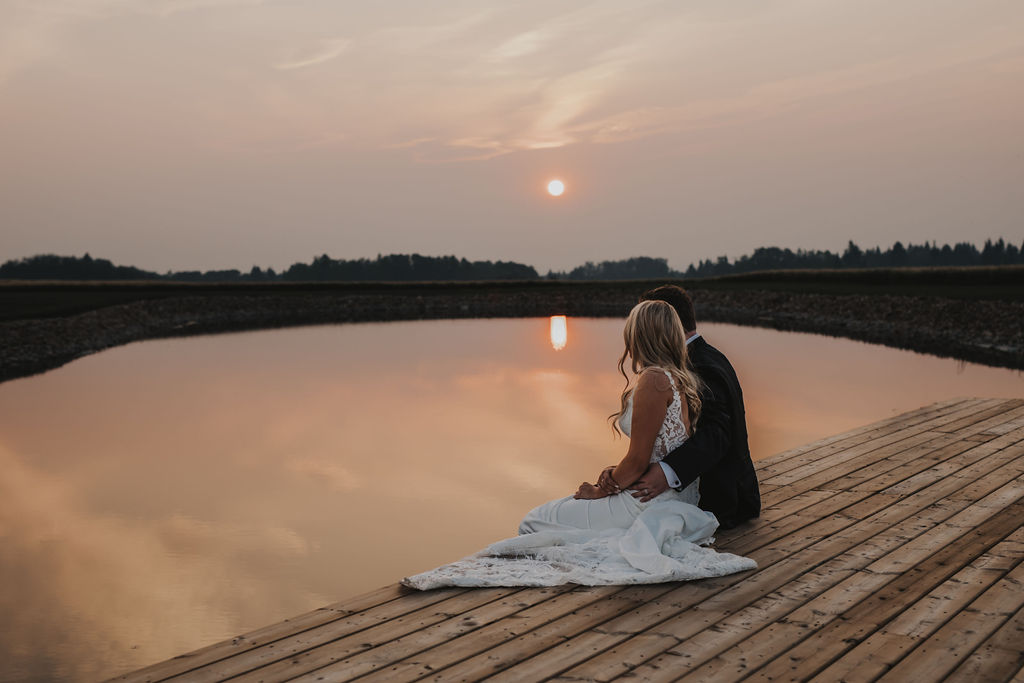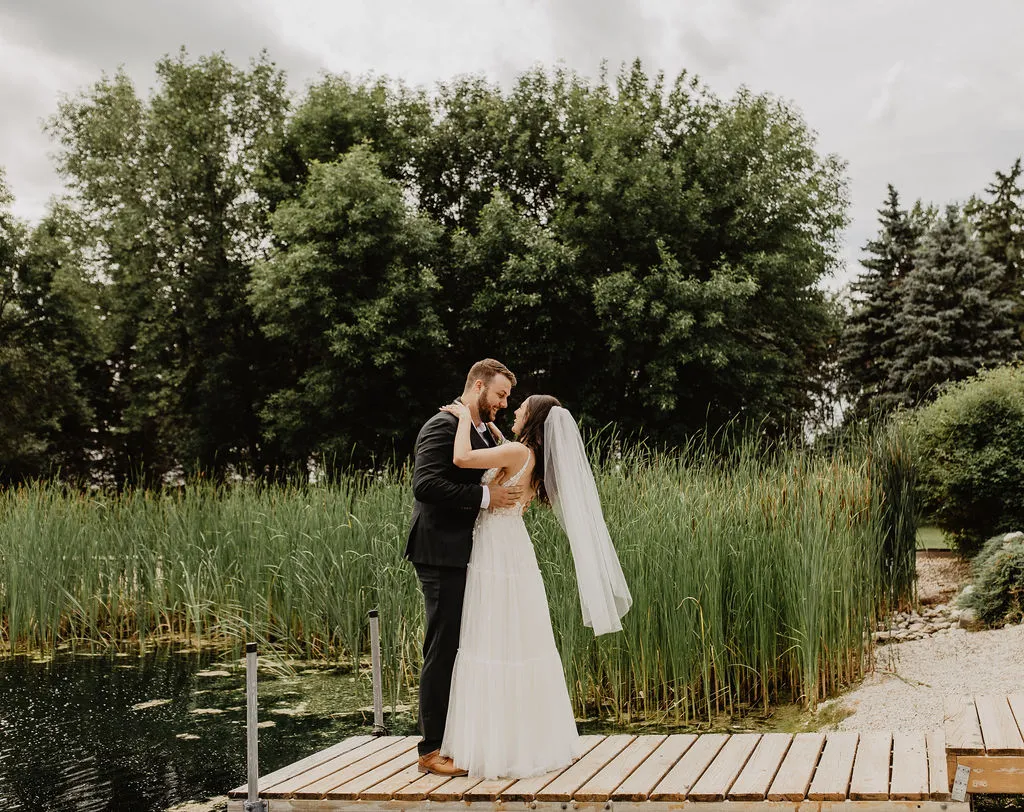

There is something undeniably romantic about an outdoor wedding in late fall. Bare branches, crisp air, soft afternoon light, and the feeling of gathering together as the season settles into winter. Maybe you have pictured exchanging vows beneath the trees, hosting cocktail hour on a terrace, or taking portraits surrounded by the last hints of autumn colour.
But late fall weather has a way of keeping everyone guessing.
One moment, the forecast looks promising. The next, rain, wind, or plummeting temperatures have you reconsidering the entire day. And while an indoor backup plan might not be the most exciting part of wedding planning, it can make the difference between a day that feels stressful and one that unfolds effortlessly.
The secret? Don’t treat your indoor option as a backup. Design it as an equally beautiful version of your wedding from the very beginning.
With thoughtful layouts, intentional lighting, and décor that works in more than one setting, your Plan B can feel just as considered, romantic, and personal as the outdoor celebration you originally envisioned.


Courtesy of Summer Wedding with Unexpected Rain
Choose a Venue That is Beautiful Indoors Too
Before getting attached to an outdoor ceremony location, take a close look at the indoor spaces available to you.
Ask yourself: If we had to move the entire ceremony inside tomorrow, would we still love the setting?
A venue with large windows, interesting architectural details, beautiful flooring, or a warm, inviting atmosphere gives you a strong foundation to work with. Historic estates, glass conservatories, intimate dining rooms, and modern venues with natural materials can all provide an elegant alternative to an outdoor setting.
Pay attention to how the space feels at the time of day you plan to get married. A room that looks bright and airy at noon might feel completely different at 4 p.m. in November.
During your venue tour, ask to see the actual indoor ceremony location, not just the reception room. Find out how many guests it accommodates, whether furniture needs to be moved, and how much time the venue requires to transition between spaces.
A good rule of thumb: If you wouldn’t be happy holding your ceremony indoors, reconsider whether the venue is right for a late fall wedding.
Create Two Floor Plans That Feel Equally Intentional
One of the biggest mistakes couples make is waiting until the weather turns to figure out where everything will go.
Instead, work with your planner or venue coordinator to create two complete floor plans well in advance. Both should account for the ceremony, guest seating, aisle width, entrances, accessibility, photography angles, and the transition into cocktail hour or dinner.
Your outdoor plan might centre around a garden arch or a dramatic landscape. Your indoor plan can create that same focal point using the architecture of the room.
For example, if your outdoor ceremony features a floral arch beneath a tree, consider recreating the visual impact indoors with two substantial floral arrangements, a pair of sculptural branches, or a simple arrangement of candles and foliage framing the ceremony space.
The goal isn’t to reproduce the outdoor setting exactly. It’s to preserve the feeling behind it.
A few practical details to consider:
- Guest seating: Confirm that every guest has a comfortable seat and a clear view of the ceremony.
- The aisle: Make sure it is wide enough for the wedding party and accessible for guests who need additional space.
- The focal point: Identify what guests will naturally look toward when they enter the room.
- Photography: Check sightlines, backgrounds, and available light from the photographer’s perspective.
- Guest flow: Keep entrances, exits, and pathways clear, particularly when coats and umbrellas are involved.
A well-designed floor plan should make the room feel like it was always intended for your ceremony.
Make Lighting Part of the Design, Not an Afterthought
Lighting can completely transform an indoor wedding space, especially in late fall when daylight disappears earlier and the weather can make even the brightest afternoon feel subdued.
Rather than relying entirely on overhead venue lighting, think in layers.
Start with the existing light in the room. Large windows, glass doors, and architectural lighting can create a beautiful atmosphere, particularly during an early afternoon ceremony. Then consider what the space will need once natural light begins to fade.
Candles can bring warmth and intimacy to ceremony arrangements, dining tables, and carefully chosen architectural features. Warm-toned lamps, discreet uplighting, and chandeliers can help soften a large room or create a more intimate feeling in a space with high ceilings.
For a more dramatic aesthetic, consider highlighting a stone fireplace, textured walls, or a beautiful staircase rather than filling every corner with additional décor.
If you’re planning an outdoor ceremony, remember that the lighting requirements may be very different indoors. Your photographer may need to adjust their approach, and your planner may need to coordinate additional lighting with the venue.
Always check venue rules before committing to open flames, hanging installations, or additional electrical equipment.
The best lighting plan is one that makes the room feel intentional at every stage of the day, from guest arrival to the last dance.
Choose Decor That Works in Both Spaces
When you’re planning for two possible ceremony locations, versatility becomes one of your greatest design assets.
This doesn’t mean every arrangement needs to be small, simple, or easily moved. It means choosing elements that can be adapted without compromising the overall look.
For example, floral arrangements used to frame an outdoor ceremony can later be repositioned near the indoor entrance, beside the reception seating chart, or at the head of the dinner table. Bud-vase arrangements, candles, and smaller decorative pieces can also be repurposed throughout the day.
For late fall weddings, natural textures are particularly effective in both indoor and outdoor environments. Consider:
- Seasonal foliage, branches, and sculptural greenery.
- Textured linens in shades of chocolate, olive, ivory, or muted plum.
- Ceramic vessels, stone details, and antique-inspired metallic accents.
- Taper candles and glass hurricanes, where permitted.
- Floral arrangements that complement the venue’s existing colours and materials.
These details feel appropriate in a garden, beneath a covered terrace, or inside a candlelit reception room.
The trick is to avoid décor that depends entirely on one setting. Instead of choosing an elaborate installation that only makes sense beneath an outdoor arbor, create a design concept that can be interpreted beautifully in either space.
Think adaptable, not interchangeable. Your indoor and outdoor setups don’t have to be identical; they simply need to feel like two expressions of the same wedding.
Rethink the Ceremony Layout for an Indoor Setting
Outdoor ceremonies often benefit from open sightlines and a natural focal point. Indoor spaces can be more challenging, particularly when columns, low ceilings, existing furniture, or narrow walkways are involved.
This is where a little creativity goes a long way.
A traditional straight aisle isn’t the only option. Depending on the room, angled seating or a curved arrangement may create a more intimate atmosphere and help guests feel closer to the ceremony.
For a small wedding, a circular or semi-circular seating arrangement can feel especially personal. For a larger celebration, a classic aisle with symmetrical rows may be the most practical choice.
Think carefully about the backdrop, too. If your original outdoor ceremony relied on a beautiful landscape, identify the strongest visual feature indoors. It might be a window, a fireplace, a textured wall, or an architectural detail that would otherwise go unnoticed.
Then design around it.
Before finalizing the layout, ask your planner and photographer to review the space together. A room that looks beautiful from the entrance may offer a completely different perspective from the back row or the photographer’s main shooting position.
It’s a small step that can save you from discovering an awkward sightline on the wedding day.
Plan the Transition Before You Need It
An indoor backup plan isn’t just about the ceremony itself. It’s also about how the entire wedding day moves from one space to another.
If the forecast changes, who makes the final decision? How much notice does the venue need? Who communicates with the florist, rental company, photographer, and other vendors? How long will it take to move furniture or reset the room?
These questions are worth answering long before the week of your wedding.
Work with your planner or venue coordinator to establish a clear weather decision deadline. For example, you might agree to make the final call the day before, with a contingency for rapidly changing conditions.
Your plan should also account for the practical details that guests may never notice when everything goes well:
- A designated coat-check area or space for wet outerwear.
- Mats and accessible pathways near entrances.
- A covered drop-off point or clear arrival instructions.
- Enough time for vendors to adjust the setup safely.
- A comfortable indoor location for cocktail hour if outdoor mingling is no longer possible.
If your ceremony and reception are in separate locations, confirm how weather will affect transportation and guest arrival times.
The more decisions you make ahead of time, the less you’ll need to solve in the moment.
Give Your Indoor Ceremony Its Own Personality
One of the easiest ways to make Plan B feel like Plan B is to think of the indoor space as a compromise.
Instead, consider what an indoor ceremony offers that an outdoor one doesn’t.
There is something special about gathering guests in a warm, intimate room as the light fades outside. Candlelight feels more pronounced. Conversations feel closer. Architectural details become part of the atmosphere, and the ceremony can take on a dinner-party-like sense of intimacy.
Lean into those qualities.
A fireplace might become the centrepiece of the ceremony. A long aisle lined with candles can create a sense of occasion. A beautiful window can frame the couple without the need for a large floral installation.
You could also make small changes to the ceremony itself, such as welcoming guests with a warm seasonal drink or using live acoustic music to complement the indoor acoustics.
The objective isn’t to recreate the outdoors indoors. It’s to create a setting that feels equally meaningful in its own right.
And if the weather turns out to be beautiful? You still have the indoor plan ready to go, without feeling as though you’ve spent months preparing for something you hope won’t happen.
Make the Weather Decision Easier on Yourselves
Even the most beautiful contingency plan can become stressful if the final decision is left until the last possible moment.
Late fall forecasts can change quickly, so work with your planner and venue to establish a realistic deadline for deciding between the indoor and outdoor options.
Consider more than the chance of rain. Wind, temperature, ground conditions, guest comfort, and the timing of sunset can all affect whether an outdoor ceremony is practical.
Agree on who has the authority to make the call, what information you’ll use, and how the decision will be communicated to vendors.
Most importantly, give yourselves permission to choose the option that makes the day feel best for you and your guests.
If moving indoors means everyone can relax, enjoy the ceremony, and spend less time worrying about the weather, it isn’t a lesser version of your wedding. It’s simply the right choice for the day you’re having.
Your Plan B Can Be Just as Beautiful as Plan A
An outdoor late fall wedding can be breathtaking, but it doesn’t need perfect weather to become a memorable celebration.
When you choose a venue with a beautiful indoor alternative, design two thoughtful floor plans, consider lighting from the beginning, and select décor that can adapt to different settings, your backup plan becomes part of the vision rather than an emergency solution.
And perhaps that’s the most important shift in perspective: you aren’t planning for your wedding to go wrong. You’re planning for it to feel beautiful in more than one scenario.
Because long after the forecast has been forgotten, what you’ll remember is walking into a room filled with the people you love, seeing the details come together, and getting to celebrate exactly as you hoped.