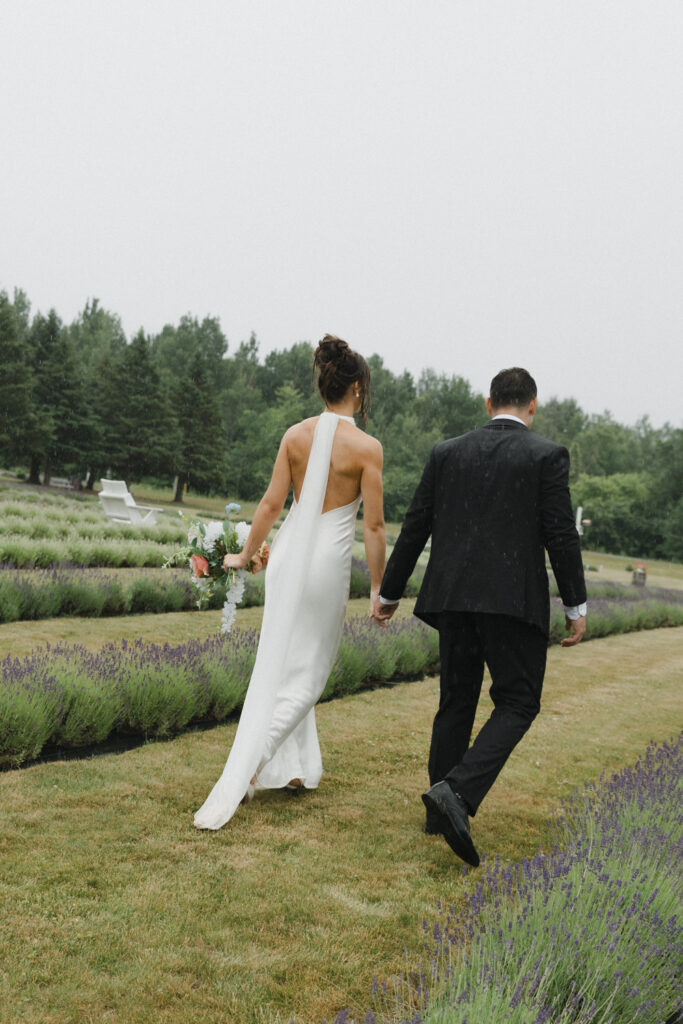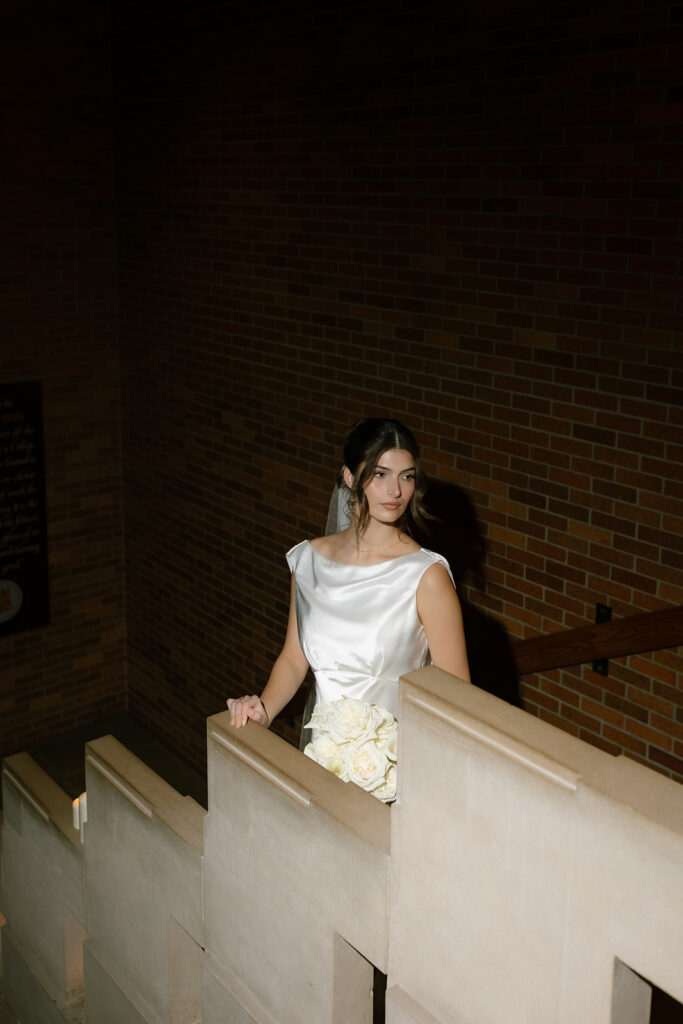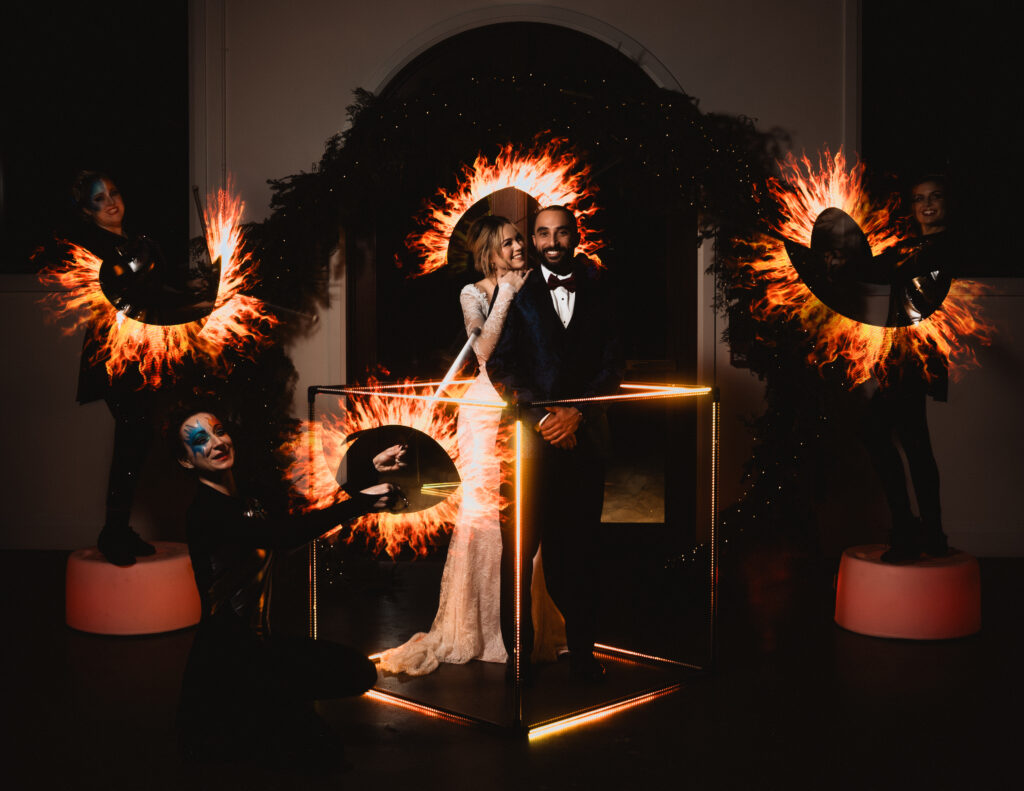

Winter weddings have a magic all their own—soft light, cozy textures, and a sense of romance you just can’t replicate in any other season. When it comes to florals, many couples worry that cold weather limits their options. The truth? Winter opens the door to some of the most elegant, textural, and timeless floral designs of the year.
Whether you’re planning a snowy celebration or a moody indoor affair, here’s a guide to winter wedding florals that thrive in cold weather, and how to use them beautifully.
Evergreen Foliage: The Backbone of Winter Florals
Evergreen foliage forms the foundation of many winter wedding florals, and for good reason. Pine, cedar, fir, spruce, and juniper naturally withstand cold temperatures while instantly creating a seasonal feel. Their deep green tones bring warmth and balance to winter palettes and work beautifully in bouquets, ceremony arches, table runners, and large-scale installations. Evergreens also pair effortlessly with neutrals, metallic accents, and soft whites, making them a versatile choice for nearly any winter aesthetic.

Courtesy of Modern Love and Rustic Elegance
Hardy Winter Blooms That Hold Up in the Cold
While delicate spring blooms may struggle in colder weather, several flowers are naturally suited to winter conditions. Ranunculus offer soft, romantic layers and hold up surprisingly well in cooler temperatures. Anemones are a winter classic, loved for their crisp petals and striking centres. Hellebores, often called Lenten roses, bloom naturally in winter and add an elegant, organic feel to arrangements. Tulips are ideal for late-winter weddings, while carnations (often overlooked) are incredibly durable, long-lasting, and budget-friendly. These blooms can be used confidently in bouquets and centrepieces and can even handle brief outdoor photo sessions without losing their structure.


Courtesy of Nutcracker Fairytale Magic
Dried and Preserved Florals for Winter Texture
Dried and preserved florals have become a favourite for winter weddings, offering both durability and visual interest. Elements like pampas grass, palm leaves, dried grasses, and seed pods are completely weather-proof and add depth and movement to floral designs. They work especially well for ceremony backdrops, statement installations, and modern winter weddings that lean minimalist, bohemian, or design-forward.

Courtesy of Moody Velvet Dreams
Winter Berries for Colour and Contrast
Berries are another beautiful way to add colour and seasonal character to winter florals. Varieties such as hypericum, winterberry, privet, and viburnum berries introduce rich tones like deep red, burgundy, and plum. When woven into bouquets, garlands, or centrepieces, berries create contrast and give arrangements a distinctly winter feel without overwhelming the design.


Courtesy of Holiday Wedding Must Haves
Textural Accents That Elevate Winter Florals
Texture plays a key role in winter floral arrangements, often more so than sheer volume. Accents like cotton stems, thistle, pinecones, magnolia leaves, and natural branches add an organic, layered quality that feels intentional and elevated. These elements help florals feel grounded in the season while adding visual interest and warmth.
Indoor vs. Outdoor Winter Floral Considerations
When planning winter florals, it’s important to consider where your arrangements will be used. Outdoor ceremonies and photos require more durable designs, especially in freezing temperatures. Some couples opt for a secondary bouquet specifically for outdoor photos or work with their florist to refresh arrangements once they’re brought indoors. Indoor receptions allow for more flexibility, making it easier to incorporate softer blooms without concern for the cold.


Courtesy of New Year, New Beginnings: A Breathtaking Banff Wedding
Winter Colour Palettes That Work Beautifully
Winter colour palettes extend far beyond traditional reds and greens. Soft combinations like ivory, taupe, and gray create an understated, elegant look, while deep emerald paired with cream feels rich and classic. Burgundy and blush offer warmth and romance, while white, champagne, and gold bring timeless sophistication. For couples drawn to moodier aesthetics, neutral florals paired with black accents create a striking winter statement.

Courtesy of Winter’s Whisper: An Ethereal Tale of Love and Snow
Final Thoughts
Ultimately, winter wedding florals are about embracing the season rather than working against it. With hardy blooms, lush greenery, and thoughtfully chosen textures, winter arrangements feel intentional, romantic, and effortlessly beautiful. When designed well, winter florals don’t just withstand the cold—they shine because of it.