
Planning a wedding is exciting, but figuring out how much to spend and where that money should go can feel overwhelming. A wedding budget gives you a clear roadmap, helping you make confident decisions while keeping your spending under control.
Whether you’re planning an intimate celebration or a larger modern wedding, the key is to decide what matters most to you and build your budget around those priorities.


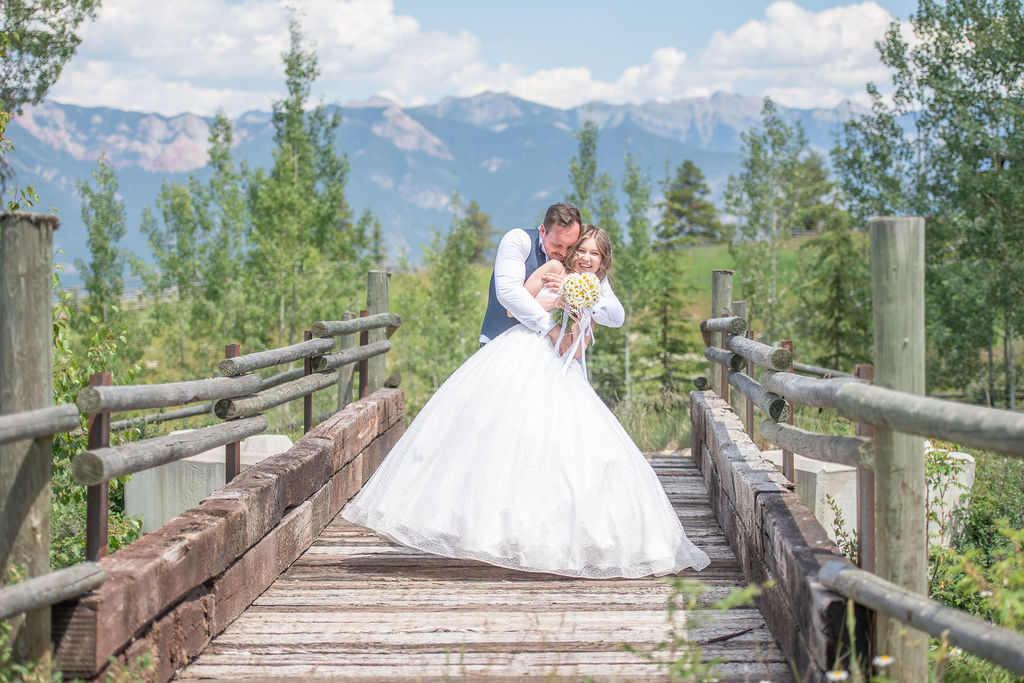
Courtesy of Romantic Outdoor Wedding in Manitoba
Start With Your Total Wedding Budget
Before choosing a venue, booking vendors, or creating a Pinterest board, determine how much you can realistically afford to spend.
Consider:
- How much you and your partner have saved
- Whether family members are contributing
- How much you can save before the wedding
- Any financial commitments you already have
- Whether you want to avoid or limit wedding debt
Once you have a total number, treat it as your spending ceiling, not a target you need to exceed.
It can also help to keep your wedding savings in a separate account so you can easily track your progress.
Use a Percentage-Based Budget
A percentage-based system makes it easier to divide your money among different wedding expenses. The exact percentages can change depending on your priorities, but the following is a useful starting point for a modern wedding:

These percentages are guidelines rather than rules. For example, a couple who cares deeply about photography might spend more in that category while keeping décor simpler.
Prioritize Your Top Three
You don’t have to spend the most money on every part of your wedding.
Sit down together and choose your three biggest priorities.
For one couple, those might be:
1. Exceptional food
2. Beautiful photography
3. A great dance party
For another, they might be:
1. A stunning venue
2. Fashion-forward attire
3. Floral design
Once you know your priorities, allocate more of your budget to those areas and look for savings elsewhere.
This approach allows your wedding to feel intentional rather than simply expensive.
Understand Your Guest Count
Your guest list has a major impact on your budget.
More guests generally mean more meals, drinks, invitations, rentals, tables, chairs, favours, and potentially a larger venue. Cutting 20 or 30 guests can sometimes make a bigger financial difference than finding small discounts across several vendors. Before adding someone to the guest list, consider the overall cost of hosting another guest, not just the price of their meal.
If your budget is limited, a smaller guest list can allow you to spend more on the experience for the people who attend.
Don’t Forget the Hidden Costs
One of the biggest wedding-budget mistakes is accounting only for the major expenses.
Make room for smaller costs such as:
- Vendor tips and gratuities
- Alterations
- Marriage license fees
- Postage
- Wedding accessories
- Beauty trials
- Cake-cutting or service fees
- Vendor meals
- Setup and teardown
- Transportation
- Extra décor
- Last-minute purchases
- Overtime charges
- Taxes and service fees
These expenses can add up quickly.
A good rule is to reserve approximately 5–10% of your overall budget for unexpected expenses. If you don’t use it, you’ll have extra money available at the end.
Compare the Full Price, Not Just the Starting Price
When comparing vendors, don’t automatically choose the option with the lowest advertised price. Ask what is included.
For example, a photographer’s package may include a certain number of hours, edited images, a second photographer, an album, or engagement photos. Another photographer may charge less initially but offer fewer services.
The same applies to venues and caterers. Ask about service charges, taxes, staffing, rentals, setup fees, cleanup, and overtime.
Understanding the total cost upfront makes it much easier to compare your options fairly.
Decide Where to Save
Saving money doesn’t mean your wedding has to look inexpensive.
Modern weddings often benefit from a few thoughtful design choices rather than an abundance of decorations.
Consider:
- Choosing a naturally beautiful venue
- Using seasonal flowers
- Renting décor instead of purchasing everything
- Limiting printed stationery
- Choosing a smaller wedding party
- Selecting a DJ instead of a live band
- Offering a limited bar instead of a full open bar
- Choosing a simpler cake with a smaller cutting cake
- Repurposing ceremony flowers at the reception
- Selecting a weekday or off-season wedding date
The goal isn’t to cut costs everywhere. It’s to spend intentionally.
Create a Vendor Payment Schedule
Wedding vendors often require deposits when you book them, with the remaining balance due closer to the wedding.
Create a simple payment calendar showing:
- Vendor name
- Total contract amount
- Deposit already paid
- Remaining balance
- Payment due date
This prevents surprise expenses and helps you understand how much cash you’ll need throughout the planning process.
Don’t forget to read each contract carefully before paying a deposit, particularly the cancellation, refund, postponement, and overtime policies.
Track Every Expense
A wedding budget only works if you keep it updated.
Create a spreadsheet with columns for:
Category | Budgeted | Actual | Paid | Remaining
Update it whenever you book a vendor or make a purchase.
This gives you a real-time picture of your finances and makes it easier to spot problems early. If you spend more than planned on your venue, for example, you can adjust another category before your budget gets out of control.
Give Yourself Permission to Spend on What Matters
A wedding budget isn’t about saying “no” to everything. It’s about deciding what deserves a “yes.”
If incredible food is important to you, prioritize the catering. If you want timeless photographs, invest in an experienced photographer. If creating a beautiful atmosphere matters most, put more of your budget toward lighting and décor.
The best wedding budget is one that reflects your relationship and your priorities, not someone else’s idea of what a wedding should cost.
A Simple Wedding Budget Formula
If you’re not sure where to begin, start with this three-step formula:
1. Set your maximum budget: Choose a number you can comfortably afford
2. Identify your priorities: Pick the three elements that matter most to you
3. Build the rest around them: Allocate your remaining money across the other categories while keeping 5-10% available for unexpected expenses
Final Thoughts
Creating a wedding budget may not be the most glamorous part of wedding planning, but it can make the entire process easier and less stressful.
Start with what you can afford, prioritize what matters most, understand the full cost of each vendor, and track your spending throughout the planning process. Most importantly, remember that a meaningful wedding doesn’t require spending money on every possible upgrade.
A well-planned modern wedding isn’t defined by how much you spend. It’s defined by how intentionally you spend it and by creating a celebration that feels authentically yours.