
Wedding budgets have a way of turning simple decisions into emotional ones. Every choice starts to feel symbolic, as if spending less in one place somehow means caring less about the day itself. But the most meaningful weddings aren’t the ones that spend the most — they’re the ones that spend with clarity.
The key isn’t balance for balance’s sake. It’s understanding which expenses quietly shape how the day feels and which ones fade almost immediately, no matter how beautiful they looked on Pinterest.


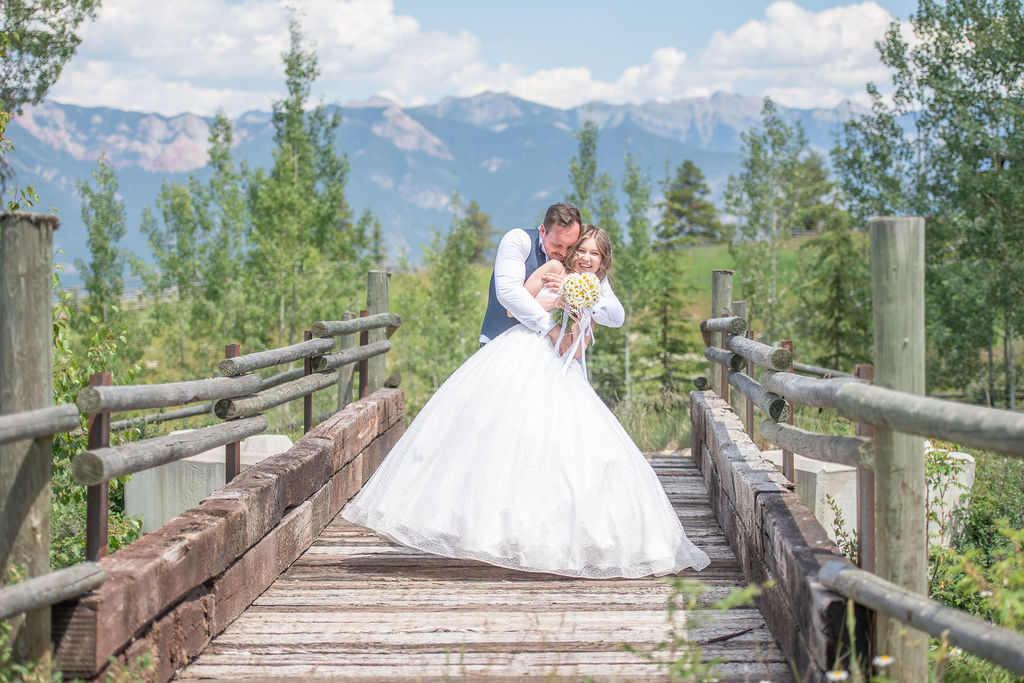
Courtesy of Rustic Charm Meets Elegant Bliss
Where to Splurge
Photography
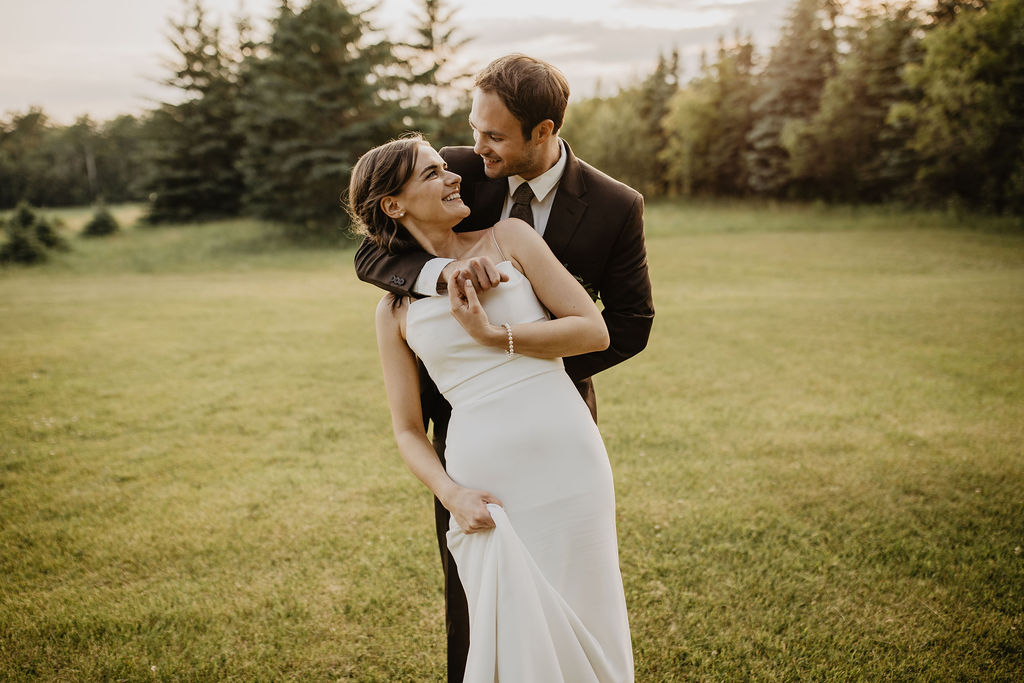
Wedding photos aren’t about perfection; they’re about atmosphere. A truly great photographer doesn’t just document what happened — they notice the pauses, the glances, the in-between moments that pass too quickly to register in real time.
Years from now, you won’t be counting how many photos you received. You’ll be grateful that someone knew when to step back, when to step in, and how to tell the story of your day as it actually unfolded. This is less about luxury and more about legacy.
Guest Comfort
When comfort is done well, no one talks about it. When it’s done poorly, it becomes the only thing people remember.
Investing here doesn’t mean extravagance; it means foresight. Thoughtful transitions between spaces, a realistic timeline that doesn’t leave people waiting, shade on a hot day or warmth on a cold night — these choices create an ease that allows guests to be fully present. A relaxed room always feels more elevated than an over-designed one.
Intentional Food Items
The most talked-about meals are rarely the most complicated. They’re the ones that feel personal, well-timed, and satisfying.
Instead of trying to please everyone with endless options, spending on food is about trusting a caterer to execute a clear vision beautifully. One memorable dish served at the right moment will linger longer in memory than a menu designed to show range rather than care.
Professional Support
There is a quiet luxury in not being the point person on your own wedding day. Even couples who enjoy planning often underestimate how mentally consuming the final hours can be.
Having someone whose only job is to anticipate problems, absorb stress, and keep things moving allows you to experience the day as a participant rather than a manager. This isn’t about control — it’s about presence.
Where to Save
Decor That Exists for the Camera
Some décor is meant to shape a space; other décor exists to fill one. The difference is easy to spot once the wedding is over.
Elaborate details that don’t influence the ceremony, the mood, or the flow of the evening tend to blur together in hindsight. Guests experience weddings as a series of moments, not a collection of styled corners. When décor doesn’t serve a moment, it’s usually safe to simplify.
Traditions That Feel Obligatory, Not Meaningful
Many couples spend money maintaining traditions they don’t feel connected to simply because it’s what’s expected. Favors are a classic example, but they’re not the only one.
If a detail doesn’t reflect you and doesn’t improve the experience, letting it go often creates more breathing room — financially and emotionally. Weddings feel more generous when they’re edited with intention.
Fashion Add-Ons That Compete with the Main Look
Your outfit should support how you want to feel, not distract from it. Extra outfit changes, hyper-trendy accessories, or dramatic additions often photograph as a moment in time rather than something timeless.
Spending less here doesn’t mean caring less. It means allowing the main look to stand on its own and choosing refinement over excess.
Customizations for Customization’s Sake
There’s a difference between personalization and over-customization. When every element is custom, nothing stands out.
Semi-custom designs, rented pieces, and thoughtfully reused items often create a more cohesive experience than a collection of one-off details. Familiarity, when done well, feels elegant — not generic.
How to Decide When You’re Unsure
When you’re torn between saving and splurging, ask a different question than “Will this be pretty?”
Ask whether this choice will affect your stress level, your ability to be present, or how people experience the day as a whole. If the answer is yes, it’s likely worth the investment. If not, it may be something that only matters in theory, not in memory.
Final Thoughts
A wedding budget is less about numbers and more about values. When you spend in ways that support ease, emotion, and connection, the day feels full — not because of what you added, but because of what you chose to prioritize.