
Planning your wedding means making dozens of exciting decisions, and one of the first big ones is how to invite your guests. Should you go modern with digital invitations or embrace tradition with beautifully printed stationery?
Both options have their charm, benefits, and a few drawbacks. Here’s a balanced look at the pros and cons of digital vs. printed wedding invitations to help you decide what fits your celebration best.

Courtesy of Bridgerton Inspired Styled Shoot
Digital Wedding Invitations
Pros
From custom wedding websites to beautifully designed e-vites, digital invitations have become increasingly popular, especially in the age of convenience.
1. Budget-Friendly
Digital invites eliminate printing and postage costs, making them ideal for couples working within a tight budget.
2. Fast & Convenient
You can design, send, and track RSVPs within minutes. Perfect for shorter engagement timelines.
3. Eco-Friendly
No paper, envelopes, or transportation means a smaller environmental footprint.
4. Easy RSVP Tracking
Online RSVP systems automatically organize guest responses, meal selections, and plus-ones, no manual spreadsheet required.
5. Simple Updates
If venue details change or you need to share additional information, updates can be sent instantly.
Cons
1. Less Formal Feel
For very traditional or black-tie weddings, digital invites may feel too casual.
2. Technology Barriers
Not all guests, especially older relatives, are comfortable navigating online invitations.
3. Limited Keepsake Value
There’s something sentimental about holding onto a physical invitation as a memory.
Printed Wedding Invitations
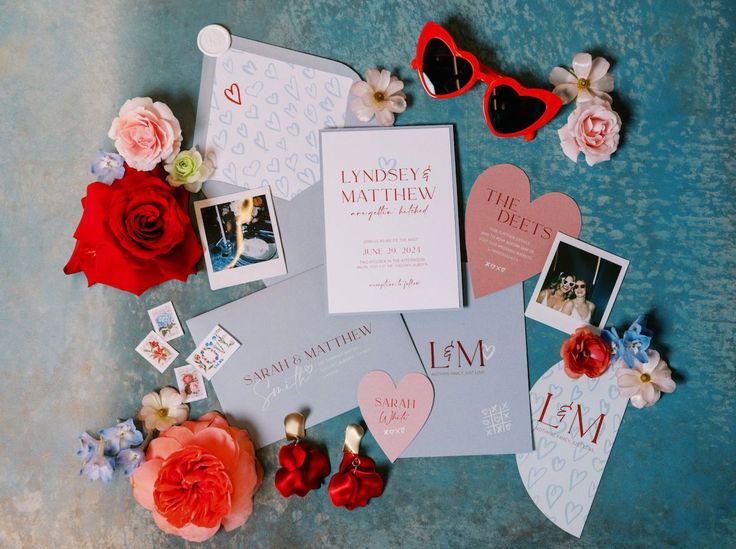
Printed invitations are timeless and often considered a hallmark of formal weddings.
Pros
1. Classic & Elegant
There’s a tactile beauty in high-quality paper, letterpress printing, or foil details that digital simply can’t replicate.
2. Keepsake-Worthy
Printed invitations often become treasured mementos for couples and family members.
3. Sets the Tone
Your invitation gives guests a tangible first impression of your wedding’s style — from rustic chic to formal ballroom.
4. Universally Accessible
No Wi-Fi required. Every guest can open and read a printed invitation.
Cons
1. Higher Cost
Printing, envelopes, postage, and possible reprints can add up quickly.
2. Longer Timeline
Design proofs, printing, assembly, and mailing require advanced planning.
3. Harder to Make Changes
Any updates after printing can be costly or complicated.
Modern Compromise: Hybrid Invitations
Many couples today are choosing a blended approach, sending printed invitations while directing guests to a wedding website for RSVPs and additional details. This option combines the elegance of print with the convenience of digital tools.
So…. Which Should You Choose?
The right choice ultimately comes down to your wedding style, your budget, your planning timeline, your guest list demographics, and your sustainability priorities. A formal black-tie celebration in a grand ballroom often pairs beautifully with classic printed invitations, while a destination wedding or intimate backyard gathering may feel perfectly suited to a digital format.
At the end of the day, your invitation, whether digital or printed, is simply the first chapter of your love story. Choose the option that reflects your personalities and makes the planning process feel joyful rather than stressful. After all, no matter how guests receive the invite, they’re showing up to celebrate you.