
Planning a wedding in a year can feel overwhelming. Planning one in just three months? That sounds impossible.
But here’s the truth: a shorter engagement can actually make decisions easier, reduce overthinking, and keep your focus exactly where it belongs — on marrying your person. When you remove months of second-guessing and endless Pinterest scrolling, you create space for clarity.
Whether you’re planning an intimate gathering, a restaurant reception, or a more traditional celebration, here’s how to make a three-month wedding timeline work beautifully.


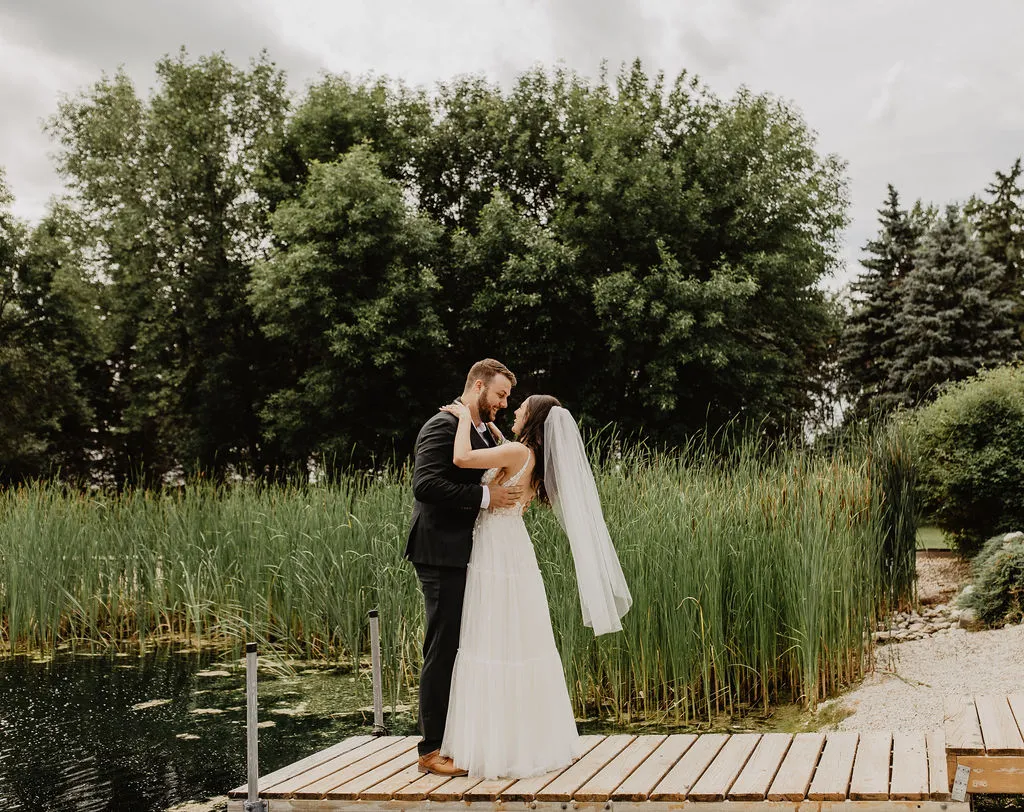
Courtesy of Fairytale Garden Romance
Month 1: Secure the Foundations
The first month is all about decisive action. This is when you lock in the core elements that make your wedding possible.
Start with your budget. Before researching venues or reaching out to vendors, determine exactly how much you’re comfortable spending and what matters most to you. With a shorter timeline, you may encounter limited availability or occasional rush fees, so knowing your priorities will help you allocate your money wisely. Decide early whether photography, food, venue, or attire matters most, and let that guide every choice.
Next, secure your venue as quickly as possible. With only three months to plan, your wedding date will likely depend on availability rather than a sentimental calendar preference. Restaurants with private dining rooms, boutique hotels, backyard properties, and courthouse ceremonies are often more flexible than large traditional venues. In major cities such as New York City or Los Angeles, weekday weddings can open up unexpected options that would otherwise be fully booked.
Once the venue is secured, immediately book your essential vendors. Photography, catering if not included, an officiant, and hair and makeup should be prioritized. Many couples assume everything is unavailable, but cancellations and date changes happen frequently. Reaching out quickly and being flexible with timing can work in your favor.
Attire also needs attention during the first month. Traditional bridal boutiques often require six to eight months for custom gowns, so consider off-the-rack options, sample sales, or ready-to-wear collections from designers such as Vera Wang. Many seamstresses offer rush alterations within a few weeks. With decisive shopping and quick tailoring, finding a stunning dress within this timeframe is absolutely achievable.
Finally, send invitations as soon as possible. With a short engagement, there’s no need for save-the-dates. Digital invitations and a wedding website can streamline communication and allow you to request RSVPs within a few weeks.
Month 2: Refine the Vision
With the essentials secured, the second month becomes about shaping the atmosphere and guest experience.
Choose a simple, cohesive aesthetic that feels natural rather than overly complex. Minimalist elegance, a romantic garden vibe, or a candlelit dinner party theme are easier to execute quickly than elaborate, multi-layered concepts. The key is cohesion, not excess.
Florals and rentals should be finalized early in the month. Being flexible with seasonal blooms and trusting your florist’s expertise will make a significant difference. Avoid rare imports or highly customized installations that require long lead times. Renting decor rather than building custom pieces will also reduce stress and production time.
Menu planning should feel collaborative rather than complicated. Trust your caterer’s most popular dishes instead of designing a fully custom menu. If you want to add personality, incorporate one memorable touch such as a signature cocktail or a late-night snack that reflects your style.
Entertainment can also be secured during this stage. Whether you choose a DJ, a live band, or a carefully curated playlist for a smaller gathering, confirm availability and logistics early to avoid last-minute scrambling.
Month 3: Finalize and Confirm
The final month is about coordination and clarity. This is when everything comes together.
Schedule your final dress fitting early and bring your shoes and accessories so alterations can be perfected. Confirm timelines with all vendors approximately two weeks before the wedding, finalize guest counts, and ensure all payments and contracts are in order. Creating a detailed yet simple day-of schedule will help everyone stay aligned. Build in small buffers between key moments so the day flows smoothly without feeling rushed.
Most importantly, delegate. Even if you are not hiring a full wedding planner, assigning a trusted friend or booking a day-of coordinator allows you to stay present. When someone else manages logistics, you can fully experience your celebration instead of troubleshooting it.
Why a Short Engagement Can be a Gift
A three-month timeline eliminates endless comparison and second-guessing. Decisions happen faster, outside opinions carry less weight, and the focus naturally shifts from perfection to meaning. Many couples find they spend less overall because there is less time for impulse additions and unnecessary upgrades.
Instead of obsessing over every detail, you become clear about what truly matters: the commitment you are making and the people you are sharing it with.
Final Thoughts
Planning a wedding in three months is not about cutting corners. It is about intentional choices, flexibility, and confident decision-making. When you simplify your vision and act decisively, you can create a celebration that feels effortless and deeply personal.
At the end of the day, the most important element does not require months of planning. It simply requires two people ready to say yes to forever.