
One of the first, and most exciting, decisions you’ll make after getting engaged is choosing your wedding date. It may seem as simple as picking a day that sounds nice, but your wedding date will influence almost every other part of your planning journey, from venue availability to your overall budget.
If you’re not sure where to start, here are the most important factors to consider before circling a date on the calendar.


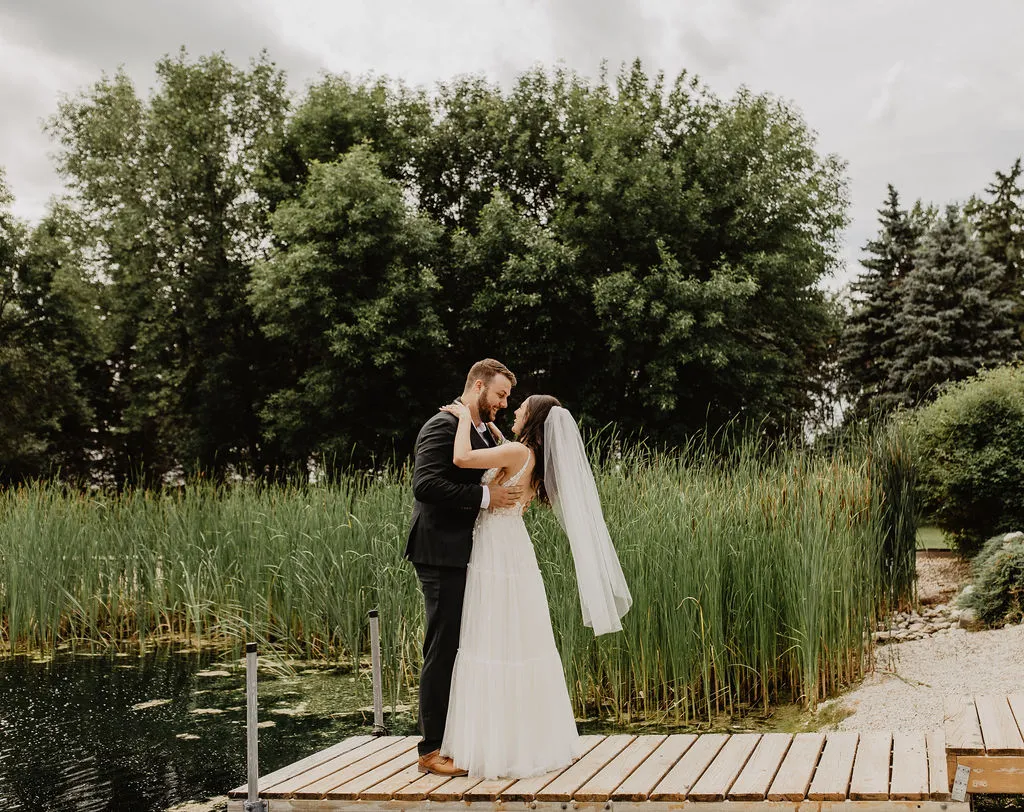
Courtesy of Spring Wedding Filled with Heritage, Romance, and New Beginnings
Think About the Season and Weather
Every season has its own charm, so start by imagining the atmosphere you want for your wedding day.
Spring brings blooming flowers and mild temperatures, making it ideal for garden ceremonies. Keep in mind that spring weather can be unpredictable, so having a backup plan for outdoor celebrations is always a good idea.
Summer offers long days and beautiful sunshine, perfect for outdoor weddings and evening receptions. However, it’s also one of the busiest wedding seasons, and high temperatures may require extra planning for guest comfort.
Fall is loved for its colourful landscapes, comfortable weather, and cozy atmosphere. It’s an excellent choice if you envision rich autumn colours in your photos.
Winter weddings can feel elegant and intimate, often featuring dramatic décor and a festive atmosphere. Depending on your location, you’ll also want to consider travel conditions and daylight hours.
When choosing a season, think beyond aesthetics. Consider your local climate, the comfort of your guests, and whether your dream venue works well during that time of year.
Consider Your Budget
Your wedding date can have a significant impact on your budget.
Peak wedding months and Saturdays are typically the most expensive because they’re in high demand. If you’re looking to save money, consider:
- Choosing a Friday or Sunday wedding.
- Planning during the off-season.
- Booking a weekday celebration.
- Being flexible with your preferred month.
Many venues and vendors offer reduced pricing during less popular dates, allowing you to stretch your budget further without sacrificing quality.
Check Venue Availability Early
It’s common for popular venues to book a year or even two years in advance.
If you’ve fallen in love with a specific venue, it may be easier to choose your wedding date based on its availability rather than selecting a date first. Being flexible with a few possible dates can dramatically increase your chances of securing your dream location.
Once you’ve confirmed your venue, you can begin booking your photographer, planner, florist, DJ, and other vendors before their calendars fill up.
Think About Family and Guest Schedules
Your wedding is a celebration shared with the people you love most, so it’s worth considering their availability.
Before finalizing your date, ask yourself:
- Will close family members be able to attend?
- Are there major holidays or long weekends that could affect travel?
- Do many of your guests need to fly in?
- Are there school schedules or work commitments to keep in mind?
If you have VIP guests whose presence is especially important, check with them before making your final decision.
Decide Whether a Meaningful Date Matters
Some couples love incorporating a date with personal significance, such as:
- The anniversary of when they met.
- Their first date.
- The day they got engaged.
- A meaningful family date.
Others simply choose a date that works best for their plans and budget. There’s no right or wrong choice, the best wedding date is the one that feels right for you.
Give Yourself Enough Time to Plan
The length of your engagement should match the type of wedding you’re planning.
Larger weddings often require 12–18 months of planning, while smaller celebrations or intimate weddings may come together in six to nine months.
Allowing yourself enough time helps reduce stress, gives you more vendor options, and lets you enjoy the planning process instead of rushing through it.
Final Thoughts
Choosing your wedding date is about balancing your vision with practical considerations. By thinking about the season and weather, your budget, venue availability, and the schedules of your closest family and friends, you’ll set a strong foundation for the rest of your wedding planning journey.
Remember, there isn’t a “perfect” wedding date, there’s only the date that’s perfect for the two of you. Once you’ve found it, everything else can begin to fall into place, one exciting decision at a time.