
Wedding planning often starts with excitement and big ideas—but it can also come with unexpected challenges. Understanding a few key realities before diving in can make the process smoother, more intentional, and far less stressful. Here are some important things couples should know before planning a wedding.


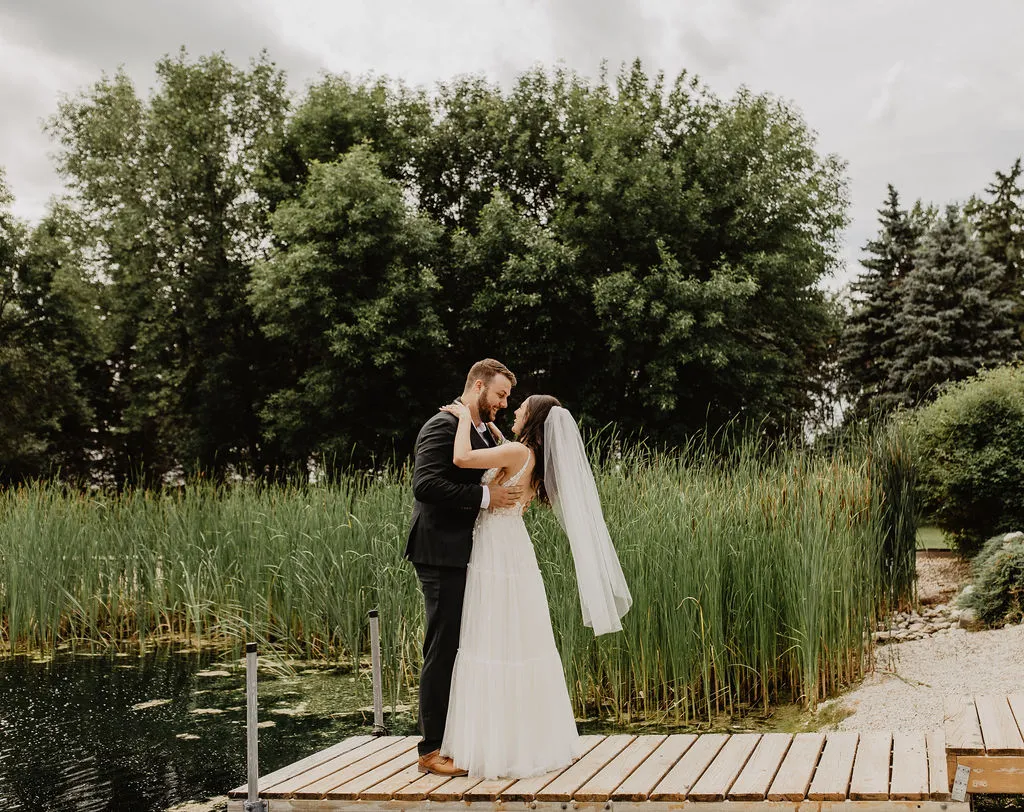
Courtesy of Boho Meets Elegant: Intimate Wedding in Regina
1. Not Every Decision Needs to Be Made Immediately
It’s easy to feel pressure to plan everything at once, especially after getting engaged. In reality, many decisions can wait. Taking time to research options, compare vendors, and align priorities helps couples make thoughtful choices instead of rushed ones.
2. Your Budget Will Guide Every Aspect of the Wedding
The budget isn’t just a number—it influences nearly every decision, from the guest list to the venue and décor. Establishing a clear budget early and deciding what matters most allows couples to spend intentionally and avoid unnecessary stress later.
3. Opinions Will Come From Every Direction
Friends, family members, and even acquaintances often feel invested in weddings and may offer unsolicited advice. While some input can be helpful, it’s important for couples to remember that the wedding should reflect their values and vision—not external expectations.
4. Inspiration Should Be a Guide, Not a Rulebook
Wedding inspiration from blogs and social media can spark creativity, but it can also create unrealistic comparisons. Many styled images represent large budgets and professional teams. Using inspiration as a reference point rather than a standard helps keep expectations realistic.
5. The Guest List Can Be One of the Toughest Decisions
Creating a guest list often brings emotional and logistical challenges. Each addition affects the budget, space, and overall atmosphere. Thoughtful guest lists are built around meaningful relationships rather than obligation.
6. Small Details Rarely Matter as Much as the Overall Experience
While details like signage, favors, and décor can be fun to plan, they usually have little impact on how guests remember the day. The atmosphere, hospitality, and emotion of the celebration tend to leave the strongest impression.
7. The Right Vendors Can Reduce Stress Significantly
Experienced vendors do more than deliver a service—they help guide the day, manage timelines, and solve problems behind the scenes. Choosing vendors based on trust, communication, and expertise can greatly improve the planning process and wedding day experience.
8. Perfection Isn’t Realistic, and That’s Okay
No wedding goes exactly as planned. Minor delays, unexpected weather, or small mistakes are common and rarely noticed by guests. Flexibility and presence matter far more than flawless execution.
9. Wedding Planning Can Be Emotionally Demanding
Beyond logistics, wedding planning can bring up emotions tied to finances, family dynamics, and expectations. Taking breaks, sharing responsibilities, and staying focused on the purpose of the celebration can help couples navigate these challenges.
10. The Wedding Day Passes Quickly
Many couples are surprised by how fast the wedding day goes by. Building in moments to pause, connect, and be present helps ensure the day is not just well-planned, but truly enjoyed
Final Thoughts
Wedding planning is not about achieving perfection—it’s about creating a meaningful celebration. With clear priorities, realistic expectations, and intentional choices, couples can plan a wedding that feels authentic, memorable, and joyful.