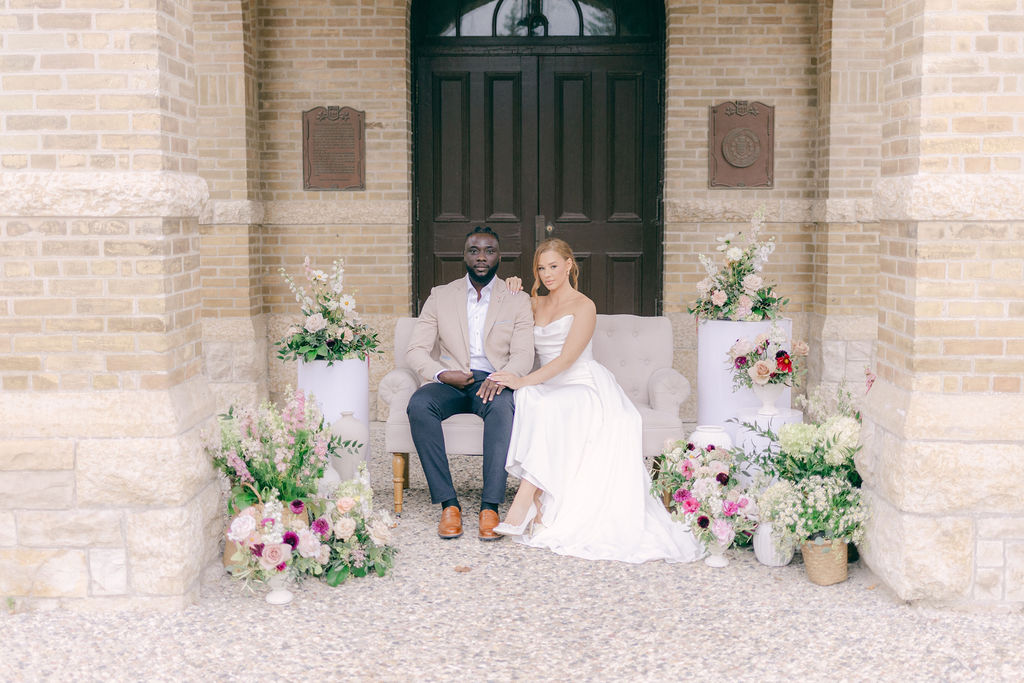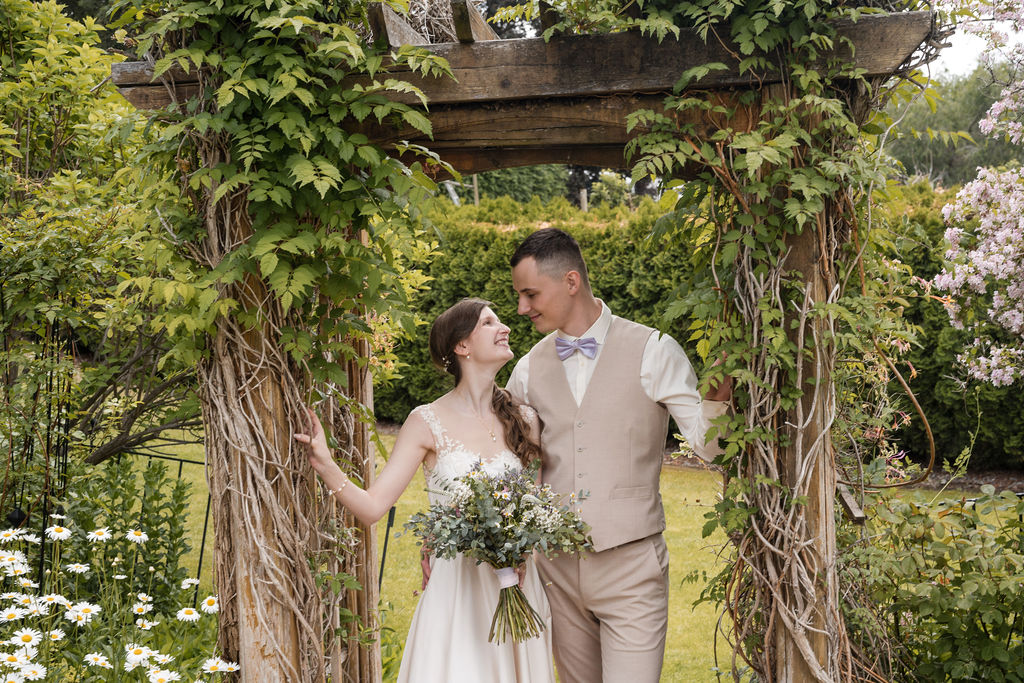

There’s something undeniably romantic about a garden-inspired wedding. It feels organic, soft, and beautifully unforced, like nature itself is part of the celebration. The key to achieving this look isn’t overloading your space with décor, but rather choosing elements that enhance what’s already there. Effortless doesn’t mean simple. It means intentional, airy, and thoughtfully curated.
Here’s how to bring that dreamy garden aesthetic to life without making it feel overdone.
Embrace Seasonal Blooms
Garden-inspired weddings start with florals, but the secret is to keep them loose and natural. Think wildflower-style arrangements instead of tightly structured bouquets. Choose blooms that are in season such as ranunculus, peonies, tulips, and sweet peas are perfect for spring.
Let arrangements spill slightly over vases and mix in plenty of greenery. Avoid overly symmetrical designs so everything feels organic. The goal is to mimic how flowers grow naturally, not how they appear in a formal display.


Courtesy of Meet Me in the Garden
Use Soft, Layered Textures
Effortless garden style comes from layering delicate textures rather than relying on bold statements. Flowing table linens and gauzy runners create a sense of movement, while lightweight fabrics add softness throughout the space.
Incorporating natural-feeling materials like linen or cheesecloth for table runners enhances the relaxed aesthetic. Pairing these with light wood or vintage-style chairs, along with subtle lace or embroidered accents, builds depth without overwhelming the setting.


Courtesy of A European Dream: Timeless Romance in the Heart of Northern BC
Keep Your Colour Palette Fresh and Airy
Garden weddings shine when the color palette feels light, cohesive, and slightly understated. Instead of sticking strictly to pastels, it helps to combine soft tones with muted neutrals or the occasional deeper accent to create balance.
Blush paired with sage and ivory feels timeless and romantic, while dusty blue mixed with cream and soft peach offers a gentle contrast. Lavender with warm beige and greenery brings a slightly earthier feel while still staying soft. The key is to ensure nothing feels too bold or overly flat, allowing the colours to blend naturally.

Courtesy of Wildflowers and Bursts of Colours
Incorporate Natural Materials
Bringing in natural materials helps ground the overall design and reinforces that effortless garden feel. Wood, stone, and woven textures all contribute to a setting that feels organic and inviting.
Wooden signage or calligraphy boards add a handcrafted touch, while wicker or rattan details introduce warmth and texture. Stone or ceramic tableware can subtly enhance the rustic elegance without drawing too much attention away from the overall atmosphere.

Courtesy of Embracing the Unpredictable
Let the Setting Do the Work
One of the easiest ways to achieve an effortless look is to resist the urge to overdecorate. If your venue already features a garden or outdoor setting, it’s important to let those natural surroundings take centre stage.
Focusing on key areas like the ceremony arch and reception tables allows the rest of the space to remain open and breathable. Leaving intentional gaps in décor creates an airy feeling and ensures the landscape itself becomes part of the design.

Courtesy of Intimate Backyard Elopement
Add Thoughtful, Whimsical Details
Small, intentional details can bring personality and charm without making the décor feel overly styled. Handwritten place cards with pressed flowers introduce a delicate, personal touch, while vintage glassware in mixed styles adds visual interest.
Incorporating elements like hanging floral installations or soft string lighting can elevate the space while still maintaining that relaxed, garden-inspired mood.


Courtesy of Whimsical Garden Fairytale
Final Thoughts
A garden-inspired wedding is less about perfection and more about presence. When you lean into natural beauty, soft textures, and intentional simplicity, the result is something that feels both elevated and completely at ease.
The magic lies in restraint. Choosing pieces that complement rather than compete, and trusting that nature already knows how to set the scene.